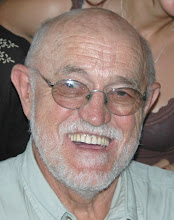
JACK WILLIAMS
FORWARD
Aimed at the waking soul, I have drawn this material from my experiences as a partner in marriage, as a person seeking self, as man on a journey into relationships and as a learner from the environment and from the people I know and love. A good part of what I write about concerns my quest for excellence and avoidance of the dead-end journey to perfection. In these lyrical and sometimes mythical stories and sketches called Vignettes I offer challenging insights for individuals undergoing a waking up within.
To further enhance the meanings and metaphors of my stories, I have included the poems--the form in which the stories were originally recorded. The poems serve as a focus for the individual contemplations of the stories that follow. As the stories unfold the progression and form that is the underpinning of the sketch should become clear, as it becomes a Vignette in the mind of the reader. Taken as a whole, Vignettes integrates the power of learning of one individual, rarefies it, and makes it available to anyone ready for the same challenge. I have attempted to make each page represent a powerful, meditative source of comfort and healing.
In my lifetime I have grappled through two marriages, and a discriminating career that started in the copper mining industry in Utah, went to a consulting engineering firm then on to an International construction/engineering company with which I traveled across the United States and in several foreign countries for over 14 years. In the early 70's my travels with the construction firm brought me to San Francisco where I completed my education and received an MBA in International Project Management. In 1980 I quit the company to start my own consulting business. This career move compelled me to travel again across the U.S. and eventually to the Middle East for a two year stint in Saudi Arabia. During the period 1999 and 2000 I spent over 13 months in Zambia. I curtailed my active consulting career in 2004 to replace it with a new career in Humanitarian work. This work has taken me to East Africa three times, and to South America where I visited in Bolivia, Peru and two locations in Ecuador.
In the mid 1980's during my time overseas, I began serious writing, completing a historical treatise of my life up to that point and going on to other writings about my work and career, my relationships, and my life. At this writing (2009) I have completed several novels, autobiographical sketches, and two books of poems, all currently unpublished. I am a native of Utah, and currently have a home there while continuing my life as a humanitarian consultant traveling to countries like Ethiopia, Bolivia, Peru, Ecuador, Mozambique and soon to Sudan. I keep up my writing in my spare time.
PROLOGUE
Seriously coming to grips with life's struggles and challenges has been a continuing process for me since the early 1980's. Beginning then and up through the present, I have experienced a major career change; gone through the experience of a second failed marriage and eventual divorce; I have been in several new relationships that served as stepping stones and opportunities for learning; and I have added to my already large storehouse many new stories. I have told these stories many times and often used them for excuses for not moving along. At several junctions along the way, I have stopped to record them in my journal or sketch them as poems. Because I was getting too many of them to remember, during 1991, I launched into a campaign to record as many of my experiences as I could in the form of poems and in that year created over 50 of them. Now I have compiled them into something of a chronological set. I now see these stories and sketches as part of my life's experiences and want them to be available to others who may be experiencing similar struggles and challenges, so I present them here in what I call "Vignettes."
All of the sketches begin with a poem that was the starting place for my record of the experience. The poems are outlines of the vignettes. All are true.
These Vignettes represent a part of my struggle for identity, for image, for learning and for growth. For the reader they may represent something different. For all I promise an experience.
Jack Williams
July, 2007
CONTENTS
1. THE EVER CHANGING MOMENT
2. SOMETHING ABOUT MY LIFE
3. THIS OLD MINE
4. REFLECTIONS OF CONFIDENCE
5. A TIME TO SPEAK OF YOUTH
6. A MORNING'S GLARE
7. THOSE MOUNTAINS THERE BEFORE ME
8. THE GIFT OF FEELING
9. DESERT SOUNDS
10. HE FIGHTS A FIRE THAT WON'T GO OUT
11. MY EGO'S WHIM
12. QUEST FOR NATURE'S NOISE
13. LOOKING AT A LIVING PLACE
14. ALONE IN MY DISCOVERY
15. NATURE'S POWER
16. PLOWED FIELD
17. MY MOUNTAINS ARE THE SAME
18. IN THE GIVING
19. I STOPPED THE OTHER DAY TO HELP A FRIEND
20. WHISPERS IN MY EAR
21. RANDOM WEB
22. IT'S NOT OUT THERE
1. THE EVER CHANGING MOMENT
I watched the last minutes of sunset
Strikingly red, fading to pastel blues
Into the ceiling of the sky.
What was it about, that sight
That so overwhelmed me in its mastery?
In time the line separating the sunset
From its mountainous silhouette
Grew darker and more sure
As those precious minutes of daylight
Counted off into night.
I was impressed, driven to examine
And dwell on my experience of this sight.
Moments later the sky lost its brilliance.
The reds were fading to blue
And much more purple
Now dominated my view.
The strict line of the mountains
Was softer and hardly distinguishable.
Yet my experience of the colors lingered on.
It seemed important for them to be there.
The sky quickly darkened
And what remained
Reminded me of the dazzling effect
Of those colors from moments before.
Why did I feel lost and empty
When such a memory remained
Fixed on my senses?
I remembered I'd had days like this before
That died in disappointed grief.
Persistent in its quest,
The question posed itself again,
So I remained in the question.
In there I noticed how much
I retained memories;
How I held moments of pleasure
(Or pain) gone by;
How I held on to pictures of the past
In those "colors" imprinted upon my mind.
So I looked again at that
Real scene before me,
There in those distant shadowy hills.
Staying in that moment
I exercised the opportunity to see its beauty,
Changing into something new each moment.
It was time's gift to me.
The question had brought me into reality
Of the ever changing moment
With a lesson and reward.
December 7, l988
I left Salt Lake late in the afternoon heading for Elko, Nevada to do some work with several mining companies in that area. It was a cold December day in 1988, much like any day of that season--partly cloudy, haze lingering from some distant smokestack or from cars ever-present on the freeway on which I was driving.
I had been listening to the radio, but my station was fading as I left Utah at Wendover and began the long, upward haul to the ridge where the Great Basin is clearly distinguishable. Though it was late afternoon, the sun was fading, now visible, now behind a cloud.
Without the sound of the radio and with only the drone of my Land Cruiser's engine, I focused on the road ahead and watched the last minutes of sunset, strikingly red, diminishing to pastel blues into the ceiling of the sky. I was totally captured by its presence.
I wondered what seized me so pensively, that sight that so overwhelmed me in its mastery? As I focused on its dwindling light, the line separating the sunset from the distant mountain's ridge made the peaks seem like paper cutouts growing darker and surer as those precious moments of daylight counted off into the night. I was impressed, driven to examining what I was looking at and to dwell as long as I could on this sight out ahead of me.
Moments later, the sky lost its brilliance. The reds faded into misty blue and a much darker purple dominated my view. The strict line of the mountains became softer and hardly distinguishable. Yet as I continued to focus on these darkening colors, the brighter ones I had seen moments before continued to dominate my memory as if they were still there. My experience of the brighter colors lingered on. It seemed important that they do so.
As I continued to watch the quickly darkening sky it paralleled a darkening within me--I felt lost and empty just that moment. Why did I feel that way, I wondered, when with little effort I was able to rekindle the beautiful hues of the now-gone sunset so clearly? I remembered I had experienced days of my life like this that started out as bright lights, but soon faded like the sun and died in disappointing grief. The question was still strong in my mind, what is the metaphor in this for me?
Persistent to find the answer, the question kept posing itself, so instead of just going on, I continued to ponder on the question--I remained in the question. In there I noticed how much I retained memories; how I held moments from the past of pleasure and pain and how I held on to pictures of how I had thought things ought to be. They were the "colors" that were now imbedded in my mind. So I looked again at this real fading scene still ahead of me there in those distant pastel hills. Concentrating on that for yet another moment, I exercised the opportunity to enjoy and really see its beauty, changing into something new each moment. It was a gift to me--one I didn't want to lose. Staying there in the question, Why was I so attracted to this landscape? had brought out for me more questions about other important things in my life like my own ever changing inner scenes and my constantly changing moments of discovery. As darkness finally took out the entire scene ahead of me I realized I had received a great gift in that past hour; free for the taking. I then realized why I had been so attracted to it.
2. SOMETHING ABOUT MY LIFE
Is there yet another chance
For him who's but served his time?
The question looms in the presence
Of this moment;
At the summary of this year.
There was so much wasted time;
So much lost to chance:
What served him music
When he was unwilling to hear;
When he blocked out the noise of life?
Yes, he listened with keen ear
Bent to the tunes of the music,
But the sounds of life went unheard.
This was his solemn cover,
Some distance from life.
What served him love
When he was untouched by warmth,
Frozen in ever deepening coldness
Through years of ardent practice?
Sad, he loved so little, this man
Whose outward presence was his myth.
What served him friendship
When he was no friend
To those around him
Whom he called his friends:
Those souls who gave
And were with him?
Silent about his own
Feelings of loneliness
He cried, "Come to me,"
While throwing up the
Brier of his guilt.
What served him joy when
He only laughed at life?
These outward bursts of gaiety
Betrayed his inward self.
He really cried alone,
This man of "joy."
What served him peace
Who angered so within;
To him whose music was for naught;
Whose love was bound in tethers;
Whose friendships lacked a friend;
Whose laughter was at life?
As in life, a moment's bidding,
Another chance awaits.
He sees that life is beckoning:
His time for joy is today.
He knows he'll hear the music,
He will share a friendly hand,
His love will be untethered
And his laughter will resound.
He has a new moment
In a new day now to share.
December 22, 1988
It was late December 1988, almost a year had passed since my dear friend Barbara Turton told me she had made up her mind to leave Salt Lake and return to her home in Wisconsin in early 1989. It was a difficult decision for her and heartbreaking for me. I could not fault her reasons for leaving as she stated them, but I really believed she was leaving because of me and not because of all the other reasons she used in her explanation. Both of us went through the next three months in agonizing pain. Many months after she left I had not yet gotten over the loss of this wonderful woman from my life. I had struggled through the summer making the best of it, attempting to get involved some way in something that would fill the void on my meandering life. In November that year I met Joan Burdette and was into testing for myself a new and wonderful, albeit very distinctly different relationship, and I was beginning to heal some.
I pondered many hours and days on my losses and my gains and on my new challenges before that healing began to take place, however. Is there yet another chance for me, I asked myself? Had I served my time of mourning in this quest? The question loomed in the presence of my every waking moment. Here I was at the summary of another year and I felt like I had wasted so much time; so much lost to mere chance.
In evaluating my life I asked what had served me to have music if I was unwilling to hear when I blocked out the pleasant noises of my life. I had listened with a keen ear to the tones of the music, but its "real" sounds--the sounds of life had alluded me. This was my cover and it put me at some distance from reality.
I had experienced love from another, but I was untouched by the warmth of it; frozen in ever deepening coldness through my years of calculated practice. It was sad, I concluded, that I had loved so little, but made it look so great by its outward appearance of love. Even friendship had touched me and I had not been a friend. Yes, in Barbara I had a person who called me her friend, but I had refused her friendship. Again in a strong dichotomy of behaviors, I had cried out, "Come to me, I need you and want to be your lover and your friend," but I had thrown up this barrier between us that held her at bay. There were many times I had been joyful, and had shown it with outward bursts of gaiety, but I was inwardly betraying myself and really cried alone. I also impersonated a man of peace, but angered strongly within. My music was for naught; my love was bound in tethers; my friendship lacked a friend; my laughter saw no humor.
Now I was at the end of another year, lost and lonely once again, wondering if another chance awaited me around the corner of the New Year ahead. I was seeing some hints of life beckoning me and I was feeling joy that day. I knew as I tested the moment that I was "hearing" music; that I was touching love; that my friendship with Joan was just beginning; that my laughter, resounding off my walls, was something real. In this new moment, what I had discovered, not yet the future, and apart from the past, was opening me up to change. I had deduced that by seizing accountability for this moment, I would find myself again--and I did.
3. THIS OLD MINE
The skeletons of the past
Cutting into the mountain's skyline
Remain anchored to the hillsides
Like old gnarled mesquite.
Their rusted crumbling features remain
Despite all men's efforts
To build 'round them
Or ignore their presence in this place.
Dust rises and then settles
On these still‑bound creatures
As I pass them.
I continue on in haste.
Mine nor others' rumblings
Have yet to cause them pain.
Our passing is only
An instant of their grief.
Oh, how proud they must have
Stood in their day of glory.
I wonder what stories are held
In the dust on their timbers
And the scaling on their walls.
I wonder if they've served
Their time in full.
I wonder if they cry for my concern
Or if they're only as they seem‑‑
Just a record of man's efforts to survive.
As they wait in patience
Firmly holding to their hills,
These challenging scepters on the skyline
Dare man to progress past their evidence.
They lie in wait
Only giving in to nature's
Grizzly hand of time‑‑
Losing err so slowly.
Will they be there when I'm gone,
Like generations in pasts I've not known?
I feel no small remorse in leaving
In my passive sign of interest or of care.
I'll not lay hold of these creations
Nor will I pass judgment on their peace.
Their fatal retention is my sorrow.
February 26, l989
Miami Arizona is a small town in East Central Arizona that was once a booming mining town with an equally dynamic population that grew and waned over the years as mining companies made it big then closed or went broke. Over and over these places rose out of the dust of a previous venture driven by wars and cyclical economies. When the wars were over or when the economy took another plunge, the towns and the mines either died or were reduced in size and scope. Like nature's own dramatic changes, man's efforts to find a new way to capture and produce the copper and gold hidden deep in the mountain's guts caused changes in the landscape so phenomenal that no one who remembers back "then" would be able to tell even where things had been before.
Holes were blasted and the mineral-bearing earth was removed. Waste material, hauled away from the mine-site was piled high and dumped over banks covering everything in its way. Things that once stood proud no longer cast their shadow under these mounds of dirt. Conveyors and trusses no longer existed in their original form. Most either stood complete but bent over from the winds and bull-dozers. Other structures hung there in pieces on their foundations where they had once proudly stood. All that were left seemed to mourn of their loss, rusting against the actions of the sun and rain. Some were hanging off their piers as if they were waiting, waiting for that day when life would be pumped back in their veins.
I was there in this place for the first time in February 1989. These impressions I have of the place never left me. While I was still there, in my spare time I walked around and drove from site to site looking at these edifices. Wherever I went, I saw the skeletal structures of the past cut into the mountain's skyline where they remained anchored to the hillsides. Like old gnarled mesquite, their rusting, crumbling structures remained despite man's efforts to build around them.
Dust rose as I drove by some of these features of my visible landscape. I passed most of them with dissolute glances as I continued in my haste. I was sure that neither my own nor other's rumblings by would cause them any more pain. My breach would only be an instant in their grief. As I looked at some of these structures I thought, "Oh, how proud they must have stood in their day of glory."
I wondered what stories they held in their past, these buildings and structures and holes. I'm sure the dust on the timbers and sheet metal shells, and the scaling paint on their sides said something. I wondered if they'd served their time in full. I wondered if they cry for my concern or if they're only as they seem--just a record of man's efforts to survive.
As these monsters of the past wait in patience, firmly holding to their hills, these challenging scepters on the skyline dare man to progress past their evidence. They seem to lie in wait only giving in reluctantly to nature's grizzly hand of time--losing so slowly.
Will they be there when I'm gone, I wonder; like generations in the past? I'll never know. But I do know that man will continue his persistent struggle to survive and wars will bring him back to these dying places for their hidden treasures.
Just before I left this place I was traveling down one of the hillsides to get back to town. The dirt road I was on had once been a haul-road for this particular open-pit mine. As the road rounded a bend it entered what had once been a village, obviously by its position the company housing complex. All of the houses that still remained were vacant and boarded up, but most were still standing. The wide haul-road had been built over some old structures that stood in the way, and now they were completely gone. However, just as I was rounding the last bend before leaving this ghost town, one home, still partially standing was there next to the road. One corner of the house had been cropped off to make way for the road. It was as if someone sawed about ten feet off the corner leaving everything else as it was before. I stopped my car so I could get a better look. Dingy, dusty curtains still hung on the inside of the remaining boarded windows. A table stood resilient next to the wall and a picture hung on the old papered wall. It all seemed silent and peaceful. I stayed but a moment, not wanting to violate this peaceful scene any more than it had been.
I felt no small remorse in leaving that place. Nevertheless I had developed a passionate interest and caring for all of it. I will not lay hold of judgment on its peace. I only marvel at its ability to survive.
4. REFLECTIONS OF CONFIDENCE
For a time now
I've found myself
Clinging to survival
Like passengers I've seen
Clinging to the sides of busses
Somewhere in my past--
On those rattling, smoking buses
Bumping along
On broken city streets.
With some confidence
I know the power of my clinging
To be enough for me
To do more than just survive,
But inside my fears
Are fears yet real,
Reminding me
I'm not always in control.
Then I role over
To another side of me
And look the other way.
Out there I know again for sure
I'm enough to have it all
And not just survive.
I rejoice that I can know the way
And will it to be so
With the surety of my experience.
I've come full circle now.
I can see where I am
And where I've been.
My long journey all around
The precipice of despair
Is no longer threatening.
I know that I can go back
And still survive again;
Not alone, but with kin and friends
Into whose lives I've gained a place
To be just me.
I call upon my strength
To see me 'round again
If that needs be.
I see that I'm but only at the base,
And look ahead
At still another step,
Another life,
Until it circles once again.
March 10, l989
During most of 1975 and 1976 I was working in Algeria on a feasibility study for the development of that country's industrial capability. Had that project been realized Algeria would have successfully pushed itself well into the Twenty First Century with its vast natural resources and industrial potential. The project seemed feasible, but the vision the planning team had was not shared by the majority of the population. At the time only a few of the country's burgeoning millions of people crowded into the major cities had a clear vision of the country's real potential. Instead of being able or willing to work in some logical fashion to achieve this potential, most of the people I saw just languished in their uncertainty and confusion about what to do about their lives and their verdant nation. They just rushed about, pushing each other around, running helter-skelter especially on the streets and in all the public places where people seemed always congregating.
I saw people crowded into the cities where they believed work would be available, while the beautiful country-side lay fallow and mostly empty. I looked at statistics of Algiers' population and found that on the average, ten people were living in two rooms of the houses and apartments in the city. In the Algiers' ghetto called The Kasbah, people were so crowded in the homes and villas that most of them stayed on the streets and in the alleys the entire day and night just to have some freedom.
The city of Algiers was constantly like a beehive of activity. People rushed from place to place in their cars and along the sidewalks and they filled the broken-down smoke-billowing busses until they had to hang from all sides of the outside of busses to get where they were going. In the days and weeks that I lived and moved about the country I saw people "surviving"--clinging to life as if their present moment was their last.
These impressions of the country were not easily forgotten as they crowded my mind with their visages, but the sights I had seen in Algeria made no particular lasting impact on me at the time. However, some thirteen years later on a Sunday morning in March 1989 they all came back to me and literally caused me to turn my life around. This one morning I had remained in bed enjoying a few idle moments before getting up when all that I had seen and experienced in Algeria suddenly came back to me. Once again I saw all the confusion, the crowding and pushing and the frustration the Algerians were experiencing, but this time I realized it all mirrored my own life as it had been for the past six or more years. I had been going through a rather crowded and confusing time. Over and over again I had found myself clinging to survive like the passengers I had seen in Algiers on those rattling, smoking busses bumping along the broken streets of Algiers.
I had felt depressed. I had watched myself playing my games of life to try to bring it back into some order after years of frustrating shuffles. But my experience, like that of the few Algerians who had fought for what they wanted and won, had strengthened me. I knew with some confidence that there was power in my clinging--enough, in fact, to do more for me than just survive. My fears and doubts had been real and I was reminded over and over that I had been out of control like the Algerians at times. But like them, I had grown from my efforts to survive. I knew I had gained some ground.
That morning was a milestone day for me. The point I had reached became clear to me almost like it was being written down in a page of my book of life. I was lying on my bed on my one side doing all this reflecting and self evaluation, and then I rolled over and looked the other way. At that moment, the pictures of confusion and chaos suddenly cleared and I saw through them. In only the time it took for me to roll over, I knew I was strong enough to do more than just survive. I knew with the surety of my experience I had a way to move on--no longer stuck in my present existence.
I had come full circle. For a moment I looked back to see where I had been, then quickly looked ahead at where I was going. My long journey around the precipice of despair was no longer threatening me. I knew that even if I had to go back and have some lessons over again, I would more than survive them. I also knew that I would no longer have to do it alone. With friends and kin into whose lives I had gained a place, I could travel in either direction without fear and desperation. Without hesitation I could call upon my own strength to see me 'round again if that need be. At that moment, at the onset of my new journey, I looked ahead at what was to be my next step and rejoiced.
5. A TIME TO SPEAK OF YOUTH
Watching this young girl
Running to her father's arms
Drew from me remembrances
Of times long past,
Of pleasures thought forgotten.
In this short moment
As she held her hand in his
My dreams were kindled‑‑
I had a chance to
Renegotiate my place,
To take a new stand
On where I wanted to be.
This small dose of youth
Impelled me, causing me to move,
To act on yet
Another thing about my life;
Not always living
Still for yesterday.
Doing this I remain in touch
With life's today’s.
The noise of youth,
That young girl's walk,
Her clapping hands,
Her dance to guide her father
To his place of caring
Lead me to where I am today.
Now that memory of things past
Stands with me
To help me know that life
In all its uncertainty
Still serves up its favors
To me now.
April 14, l989
Throughout the years as my children grew up, matured and gained their own independence I felt an era of my life had passed me--that I could no longer learn from their youth; that my opportunity had passed on with their burgeoning growth. On an April morning in 1989 I gained a new lesson about that.
I had been running an errand some place in Salt Lake that morning and was returning to my office. As has been my habit for years, I stopped on the way at a Circle K to fill up my soft drink mug. Just as I pulled up to the curb and started to get out of my car I was distracted by a young girl of about four or five years running out of the store to catch up with her father. She met him with a crash. And then she grasped his hand in hers and they walked off down the street. The entire scene had taken no more than 30 seconds to complete. But in this short moment, I had relived many of my times long past; of pleasures thought forgotten.
In this moment as the little girl held her father's hand, my dreams were rekindled . . . I was awake again and knew I had a chance to renegotiate my life, to take a new stand on where I wanted to be. This small dose of youthful exuberance had impelled me through and through causing me to move, to act on yet another thing about my life and growth. I knew at that moment that I no longer needed to live in that place of yesterday's gifts and memories about "how it had been;" rather, I could get more in touch with life's every new moment.
The sound of the little girl's voice, her walk, her clapping hands, her dance to guide her father where she wanted to go, had led me in an analogy to a place of caring--had led me by the hand along the sidewalk of a new journey. Now my memories of things past serve me in a different way. They stand to help me to know that life in all its uncertainty still serves up its favors to me now, each day and each moment. I need only to stay in touch with life's present moments and its today’s to reap its favors.
6. A MORNING'S GLARE
- I -
The mist of that day's coldness
And the blinding morning's glare
Caused a haze behind the skyline
Of those buildings standing there.
I moved into that hazed light
Ever watchful for my turn
To bring about a change in life‑‑
My life's, my own concern.
Then I was in that place there.
The haze had moved along.
Or was it just that I had entered
Into my life, there to belong?
I saw the real difference
As I stood and looked around
For that moment was my pleasure,
I had learned without a sound.
There I was in my own haze‑life,
Justly mystified by how long,
Oh, how long it could have taken
To know where I belonged.
So now I look around me
In that hazy morning light,
And there, just there beyond me
Is another misty sight.
I behold it with some question
From that place I found me in,
And there a bit beyond me
A new moment to begin.
January 30, 1990
- II -
The mist of that day's coldness
And the blinding morning's glare
Caused me to squint into the haze
And at the skyline
Of those structures outlined there.
As I moved into that foggy mist
Waiting for my turn to bring about
A change in life,
I took upon myself,
My life, my own concern.
In what seemed to be no more than just
One moment, I looked about
And found that I was in that place
Where I had seen the fog so thick,
And noticed
That the haze had moved along.
Or was it just that I had entered
Into life, my life, where I belong?
I learned about the difference
In what I saw
And what really was.
As I stood and looked around
I also looked within.
For that moment was my pleasure,
I had learned without a sound.
There I was in my own haze‑life,
Justly mystified by how long,
Oh, how long it could have taken
Had I not known
That all the time I had within me
A way to know where I belong.
So, now again I look around
In that hazy morning light,
At the clearing there within me,
And I celebrate discovery just to know,
To know I am in sight.
Now in that distance just beyond me
Is another misty skyline.
I behold it with some feeling
From that place I found me in.
It's the same a bit beyond
This hazy mist of morning,
And all I have is a new moment to begin.
February 7, 1990
I experienced it first on January 30, 1990. Then the same thing happened again in early February that year. It was misty and cold both times. A heavy fog hung over most of the valley, but the morning's sun was doing its work to burn it off. That morning in February I had chosen to walk into town from my west city office. As I walked east along the street, I was captured by the view ahead. Where I was it was reasonably clear, the fog had already lifted to a higher level above me. But as I looked east, the skyline of the city was only partially visible amid that day's coldness and the blinding morning's glare. I squinted into the haze at the blurred skyline and as I did another image appeared in my mind as if my screen of vision had split. On one side was the city's building outlines; on the other, my own foggy visage of myself. The two images startled me by their similarity and sharpness.
I walked on, now increasing my pace to get into this place where the fog seemed the thickest--on one side the city, on the other, my life. As I moved into that foggy mist approaching the city, it seemed as if the haze moved along with me. I looked around and it was even behind me as I got closer to the city. Now the buildings were appearing clearer and the fog seemed to be moving along. But on closer inspection in front, to the sides, and to my rear, I realized that the fog was not moving or closing in on me, I was inside of it.
I took a moment to focus on the other screen--my life. I had entered into its fog too and things close by me seemed clear and focused while those in the distance seemed in a mist.
There was something to this, I knew, so I stopped my walking for a moment, turning round and round slowly to absorb my view in perspective. When I stopped the fog that seemed to be moving ahead of me and closing in around me stopped. I also looked within me on my other screen. That moment was my pleasure. There I was inside of my own haze-shrouded life, justly mystified and amazed by how clear it looked to me. I wondered how long I would have stood outside of myself as if waiting for my fog to burn off so I could view the sights within. How nice it was to notice that instead of waiting I had simply stepped inside and found it clear. I had taken this simple step where I belonged and that had made the most wonderful image transpire. I looked around in that hazy morning light, at the clearing there within me, and I celebrated the discovery. I knew I could always expect that in that distance just beyond would be another misty challenge, there waiting for me to take a step within.
7. THOSE MOUNTAINS THERE BEFORE ME
There before me is this specter,
That ageless monolith
Whose tops cast o'er with snow
Speak loudly in their noble voice.
I said before when I was far away
They were not so grand.
Yet when I stand beneath their feet,
I'm awed and humbled; slow to speak.
They are only shadows now
As I dream away this night.
But they are still there
Relentless in their power over me.
They stand rigid, now that it's winter.
They hold their place, frozen as it were.
In defiance I'm compelled to say,
But wait 'till summer's warmth, you'll see,
The wind will blow you free.
Now where does that leave me
Hidden in my man-made show;
Safe behind my winter's cover
Am I like they;
So strong now winter's here?
So safe, I stand in cold discomfort.
But what will come of me
When wind blows
And summer comes to share my time?
What will come of me
Whose strength shows up
With season's cause, rebellious,
Stubborn as I'll be?
Will summer come and warm my snow?
And when this hew
Has drawn its moisture far away
In cloudless skies,
Will I be there as sands drift by?
Bit by bit their gains eroding,
Cutting deep into my sculptured base
Until such time that all still standing
Is but that slender, aging man.
So by and by we both are there,
Changed somewhat by winds of day
And summer's warming breath
From whence there's no escape.
We are only changed but slightly,
Waiting yet another winter to come by,
Remaining for its safety
Underneath a mantle, frozen firm.
And when that one passes yet another day
We'll still be there seeming ageless as one
Views from far away.
But here up close
The timeless truth is known.
It's just another day
And time will wear away
A tiny portion of what's there,
Of all that's there,
And winds will take them
Oh, so far away.
January 25, 1991
The roller coaster ride I had been on during the period from about January 1984 to January 1991 was beginning to come to an end. I noticed myself getting more stable, being unwilling to be swayed by my victim paraphernalia and even more unwilling to be with those people any longer who were still there reaping and sucking all they could from their enrollees.
January 13, 1991 seemed to be the day that it all began to turn around for me. For a couple of years I had been in a relationship with a woman that had not been a very beneficial one for either of us. I was looking for a way to end it gracefully, but had not had the courage to do it. But I was noticing more and more that the relationship was dragging me back into that place in time were I had been to before that had not served me well. I was realizing I was filling those same spaces I had been in when my life was not working.
I knew it would be a hard thing to do, breaking up what seemed on the surface to be a working relationship, but I knew I had to do it. On one side my ego was saying, I have this place for you for pleasures yet unfelt. I can bring you peace and I can serve you there. But my other voice was saying more loudly, Hold on, you've been there before. So for a while I stood balanced, swaying on top of the fence of life with one logical mind saying, Lean left, while the other encouraged me to lean to the right. The price, however, of leaning right--returning where I had been, was too high. I knew if I went there I would continually beholding to those who cry and whine and cast about to enroll everyone in their emptiness. Luckily my other stronger voice kept saying, Hold on to all you've learned. Escape that awful place. Recall that you were there before.
This effort, this decision was long in coming until that one day I was looking out the window of my home at the mountains to my left. Nothing ever touches me more deeply than the majesty of those mountains along the easterly side of the Salt Lake Valley. I need only to look to enjoy, feeling their power and their beauty and I gain strength from them. Just looking that day strengthened my resolve to do what I needed to do. So I did it and broke off the relationship with that determination and confidence.
I've thought many times since in other contexts of my life why I am unwilling to be touched more often by these intuitive moments fashioned by the simple things around me. Why I am so seldom born away in the majesty of moments like that? Why am I unwilling to be vulnerable to these inspiring edifices around me? It seems so natural to get sustenance from the mountains, the clouds, or the wind. They are so evident by their presence. Sometimes they are so apparent, so present in my being, I need only to breath in their memory, (I don't even have to see them or feel them) to be strengthened by their beauty. Why, then, do I resist in ever greater trials of my life--that piece of me refusing to let go, to be able to become my own power when I'm in the presence of Nature?
I know there are lessons to be learned from my mountains looming before me almost every living day; remaining, they are as if waiting for my call, hardly changing. Those mountains are by my side, and there within me too. How shall I see and feel and bear the endless view cast up? How shall I see and feel their joy?
There before me is this specter of a mountain, that ageless monolith whose top is covered with snow speaking loudly with noble voice. I hear its voice even when I am far away, while not so grand as when I stand before its feet. But I am always humbled by its shadows; its persistence in its power over me. The mountain stands even more rigid when it is winter. It holds its place--frozen as it were, in defiance against the wind and winter's snows. Then when it's summer the wind and sun blow it free and let its grasses grow.
Why is that all so important to me, I say? Where does this leave me knowing the mountain's power over me? Here I am hidden in my man-made show; safe behind my winter's cover, strong in surface facades. So safe, in fact, I stand in cooling comfort. But what will come of me, I ask, when the wind blows, and summer comes to share my time? What will come of all whose made-up strength shows up with season's cause, rebellious and stubborn as I am? Will summer come and warm my winter's snows? Will my moisture be drawn away to previous cloudless skies? Will I be there when sands drift by?
With the mountain's solid stone, there is its rebellion. But with grains of sand broken free by spring time thaws and winter's windy days, so is its rebellions crushed. Like me, I see my winter's rebellion sculptured at the base until I stand a little less tall--this simple, aging man.
So by and by we will both be there, me and my mountain, changed somewhat by the windy day and summer's warm breath from whence there is no escape. We are only changed slightly, waiting patiently for winter to come again, so we can remain safe under its frozen mantle. And when one more day passes we'll still seem ageless as one views us from far away, but here close up the timeless truth will be known. In just one more day, time will wear away our slight rebellion a tiny portion at a time and winds will take it far away.
After I had gotten the inspiration to do something about the relationship with my friend, that night I looked upon my mountain again, now dimmer in the moonlight, looming there above my head, covered with moving clouds, feathery looking, vaporizing, then forming in another place. They shrouded the peaks so gently. I realized I've come to love these moments even when they bring me such distress as I'd seen that day as I examined my rebellions. But I still watched the mountains, stable as they were adjusting to the seasons, maintaining their own world and the lives that depend on them.
I knew that around me came those same seasons. They gave me the same opportunities as my mountains did. I had to maintain my world and the lives that depend on me with the season's sustenance. I knew I had to bear the winter's cold and frosty disappointments, but I also knew that springtime’s warmth and summer’s breezes would come at last. They come to disturb my great mountain’s stillness, silent in their enduring grace. I marvel and rejoice at their coming.
On nights like that one my mountain's silence shouts at me to listen to its lessons, to learn from its beauty and its strength, prevailing, showering me and all others who would wait to see these stately scepters standing quietly there. I find myself impounding all I see upon my surface, cold, and enduring that season. It seems new in its grace on me and I am made to be in love with life, so pure in its presence.
As the night went on I found myself also shrouded in feathery clouds of memory, impressing on me their moisture's gleam. I found peace as I sat there through the night. The next morning I found calm in the sunlight's opening scenes. I had come full circle again, to love my life even more. I wanted to bear the cloudless, warm day of winter that much more. I wanted to stand in lonely time and cry for springtime’s coming. I'd had enough of that cold northerly wind and its grip on me.
I acknowledged that I had come far with my mountain near my side. I knew it had brought me peace. I shouted into my moment and knew I had much more to come.
8. THE GIFT OF FEELING
One Wednesday I was standing
On this glistening field of snow
Broken here and there by trails
I and others had just then made.
We stood in silence,
Listening for sounds we would not hear.
I heard only my own deep breathing
This ringing silence brings,
Conscious only
Of the sun's warmth and power.
I felt no pain or sorrow.
My joy of that moment soared
As my feelings of wealth
Exploded there within me.
Eyes closed, I slowly turned my head
And drenched my cold face
In this penetrating brightness of the sun.
I relished in its warm comfort.
Moments later
Still in silence's healing breath,
I woke to the day's delight,
Taking with me my captured light
Not quickly forgotten or lost
(Its influence on my being).
The next Friday, I was still holding
That dear moment firm in me.
More than once I had returned
In silence to that place of warmth
And gracious giving of sun's heat.
It's as if I'd been given a gift
For purposes yet unknown.
Deep into the chasm of my mind
I knew and felt a lesson there for me.
I believed it was a gift of feeling to myself.
March 8, 1991
On a cold Wednesday morning in early March, 1991, I was in Mount Pleasant, Utah with a group of people who had traveled there to participate in one of the ropes course events I was facilitating at the time. The group assembled about 8:30 a.m. After a short "Tee-up" of the day we blindfolded them for the first exercise. I had moved up near the road to assist with the group in any way I could. Joanne Granger was there to give the instructions for the first exercise of the day. She began something like this: "In silence, try to visualize the environment you are in. Notice the wind, the sun, and the sounds of nature . . ." As she was giving instructions to the group, I closed my eyes and joined in.
While I stood there on the glistening snow, bright to me even with my eyes closed, its smoothness broken only by occasional small animals' trails and those of our own, I tried to return to the vivid picture of it I had experienced when my eyes were still open. I stood there in silence, listening for anything out of the ordinary. At first, no sounds came except the ringing in my ears and Joanne's instructions. Then when she stopped to leave us in silence to follow the instructions, I began to notice my own deep breathing. I was at first not conscious of anything else, but I was very conscious of the sun's warmth and power.
Standing there, I felt no pain or sorrow for anything. My joy of that moment soared as my feelings of wealth exploded within me. I wondered how the others must be feeling. With my eyes still closed, I slowly turned my head more in the direction of the sun and let it drench my cold face with is penetrating brightness and warmth. I relished in its comfort. Moments later, still in silence's healing grasp, I opened my eyes to view again the visual richness before me. I knew at once I had received something I would be slow to forget.
That next Friday, back home now in the comfort of my house, I was suddenly reminded of that moment I had spent a few days before. More than once that day I returned in silence to that place of warmth and the gracious giving of the sun. It was as if I had been given a gift for purposes I had yet not figured out. Somewhere deep within the chasms of my mind, I knew and felt there was a lesson in my earlier experience, but I could not grasp it even though the memory of the experience kept coming back to me as clear as if it had just happened moments before.
That evening, going over the whole thing once again, I attempted to re-live it as the few moments of the experience had happened. I was able to bring back the memory quite vividly. One thing stood out that was difficult for me to recognize because of my lack of past experience in it--that was the feeling I'd had when the sun hit my face and the burst of joy I relished in that moment. I had received the gift of feeling--a seldom experienced phenomenon for me. I had actually experienced feeling something rather than intellectualizing it, for a change. The new experience, now recognized, was my gift.
9. DESERT SOUNDS
- I -
The sounds of the desert are strange,
Calming and quiet,
Yet masterful in their disguise:
The breeze, mild in its present form
Has its own mystery.
No direction or force is suggested.
No warmth or coolness is implied,
Yet its force is relentless and ever present.
Every tree, every bush,
All the pebbles of the sandy ground
Have been treated by its wealth.
Then I hear the noise of the stream passing by.
In the distance, hidden by its icy cap,
The stream starts pouring cold
And ever moving down its course.
All the snows, all the rains,
And morning's dew are captured
In the middle of its path.
Gently, it too, tears away its host,
The stones o'er which it flows.
It washes them away to some far place.
These sounds are sometimes
Interrupted by the passing of a fly.
Or a queer sound still unknown.
The ringing in my ears is apparent.
I hear a bird most rare
Challenging this quiet morn.
Its sound is sharp
And ever speaking to its mate
Or some other of its kind.
I have come to this great place
To be a larger part of me
Who listens ever carefully
At all I am to be.
How noble my motive,
Yet how weak my willingness to hear.
I'm attracted to these sounds of nature
For a moment only,
Then I hear my own self
Talking even more.
What is that, it says? A voice, I answer.
Another sound of man?
I'm not alone.
Focus back, it says.
Go back to where you were.
And soon I'm there again
In tune and hearing what I hear.
So let those moments be, I say.
Let me have my time with Thee.
Being captured by this moment,
Isn't that enough for now?
It heals and pardons all I've been.
It touches my soul with such relief,
And hands me back my life.
To love, it says to me is not so rare.
I'm brought to bear
With all I have and hold.
This place of greatness gives to me itslight,
And warmth and love.
The wind touches me so gently.
The bird sings its song.
The stream collects and carries all away,
My washing of this day.
March 30, 1991
- II -
The next morning is different.
The silence is no longer there--
Was never there, as I had thought.
My inner voice keeps breaking up
The quiet sounds I hear.
It keeps up its parley, unceasingly active
In its quest for knowledge and rightness.
It speaks of truth and then of noble causes.
Today it speaks of loneliness,
Peace and beliefs.
I can still look around me
In this desert specter
Surrounding all I am and all I'll ever be.
I can see beyond this inner voice
That speaks to me and knows
What all those others missed.
There's no description of this place
That I can make in words.
I would challenge anyone
With better ones than I
To take this feeling of mine
And put it there for others
Who'll never take
The chance to see it here.
They will miss the stony cliffs
I've climbed upon--
Their roughness tore my hands and clothes
Relentlessly in their rigid place.
Their rounded edges faked of smoothness
Ever present from a distant view.
Their colors blending white and brown
Disguised the brightness of their inner life,
Reflections born of ageless wear.
I've seen within the inner pockets
Of their shapes those delicate plants
Clinging to the surface
To their stony faces
Where trees would seldom grow.
Those that do
Are monsters, grotesque from clinging
To their place of choice.
These growing, living beings rooted there
Are remnants of a seed
Whose one-time bursting
Made a statement to its host:
Let me live and be and grow,
And there it stayed.
A hundred years or more
In time has passed
And there they stand for me to touch
And hold in passing.
When I climbed upon those stony cliffs
I took my chances,
Hoping to gain the upper edge.
But there before me
Stood another steeper climb.
Unable to go on,
I called upon my inner strength
To bear and let it go,
To return again another day
I've learned my strength has limits
All within my inner will.
I've listened to my longing once again.
My signals come from all I see and hear
To have this lesson I am learning.
I hear the desert sounds,
Their quiet blushing covers me
And lets me hear their stronger life.
There on those cliffs I listened close
And heard my heartbeat in its rhythms,
Breathed a breath and listened in.
I heard no more than desert's wind.
I am no different standing here
Than there below.
My sounds are mine,
My desert there within.
March 31, 1991
Day one: late in March 1991.
The day was almost over. I had spent most of the previous day driving over 120 miles west of my home across the desert to a small, remote camping area on the West Desert Mountain Range. We had finally arrived at a BLM camp ground in Farm Creek near Callao, Utah. Before dark I got my camp readied and tent assembled for the long week-end stay. My intention was to enjoy the surroundings, get in touch with some things about which I was concerned and do some hiking. My daughter and two of her friends had come along for the short vacation.
I awoke long before the rest of the party was up and left camp for a secluded spot I knew about next to a large southerly-facing cliff. I knew it would be warm there on this cool morning because of the cliff's orientation toward the early sun.
I sat against the rock and waited for a gift I knew would come. The sounds of the desert were strange, calming and quiet. They were disguised masterfully. A breeze came up, mild in its present form. It, too, had mastery about it. No direction or force was suggested by its movement. I would have had to hold up a wet finger to even determine its direction. No real warmness or coolness was suggested in the breeze. I expected more of it, but the wind was just there. Its force was constant and ever present, but not imposing on my demeanor. Every tree, every bush and all the pebbles on the sandy ground were treated by the breeze's wealth but not impounded by it.
From some distance, hidden by the icy mountain's cap, the small stream originated and eventually wandered by me. I presumed it started from melting snows or from deep within the mountain itself. I was satisfied not knowing. The water was cold, was ever present and carving a path down the center of the canyon as it had in eons past. Gently and patiently all the pebbles and stones along its path were treated by its wealth, and some were taken quite away.
Except for the noise of the stream it was quiet there by the cliff. But coming from a far distant place there were sounds that kept ringing in my ears. These sounds, while quite consistent and droning, were often interrupted by the passing of a fly or the faraway chirping of a bird. It was a queer sound--the one that droned in my ear, and its ringing was constant.
Then surprising me with its presence, a bird passed quite close by. It challenged the quiet morning with its calls. Its sounds were sharp, as if speaking harshly to its mate. In some language, I know not how, it communicated to me and to its mate some distance down the canyon. I was surprised at the result when another bird chimed in.
I came to this place to see if I could find a larger part of me inside who listened ever carefully at all I am to be. I was proud of my noble motive, but I knew how weak my willingness was to hear. I was attracted to these sounds of nature for a moment only, and then I heard my own self talking even more.
I noticed me chattering to myself; not out loud, of course, just carrying on in some persistent way. Was I alone, I thought? Am I sabotaging this moment with my mind chatter? I knew I had to return to my silence with the cliff, but knew not how to close this down.
Taking charge I said to myself, "Adjust back. You're in control." And soon I was back there again. And just as soon, all vestige of chatter in my ear was gone. My silent prayer to myself had been, "Please let me have my quite time. Let me have this time with 'Thee.' Be rid of this chatter of my mind. Being captured by this moment; isn't that enough for now?"
That reprieve began to heal and pardon all I'd been that was not serving me. It touched me and my soul with such relief, and handed me back my life.
Through the early morning I resumed my quiet, listening post against the rock. When I was again in tune to hear this sound of the desert and stream's movement and the breeze's whisper, it said to me, "Be brought to bear with all you have and hold. This place of greatness gives up its light and warmth and love to you."
While I sat there in calm repose, the wind continued to touch me gently. The birds sang their songs. The stream's run continued collecting and carrying away all it caught. It carried to my washing of this day.
Day two:
The second day in this desert retreat was quite different. Instead of sitting by my cliff, in morning's dew, I took a walk and climbed the south canyon's walls.
That breathing grown of silence I'd heard before was not here as I had expected. But my inner voice was back, breaking up the quiet sounds I heard. It kept up its parley with me, fighting for its place, speaking noble thoughts, laying on me its beliefs, its limitations and its doubts. It spoke to me of loneliness and despair.
As I climbed higher on this cliff, I looked around me in this desert specter that surrounded me and all I'll ever be and surrendered to it. Doing this, I was able to see beyond this inner voice that spoke to me. I could see what my daughter and her friends below were missing. There was no fitting description of this place. I would challenge anyone with better words than I to take the feeling looking out beyond myself had done for me and write them down in sensible verse. I was seeing the desert as I had never seen it before.
These stony cliffs I was climbing were rough, tearing my hands and clothes relentlessly. Their rounded edges fooled me into believing they were smooth. Their colors blended white with brown disguising the brightness of their inner life made of heat-forged crystals. Their surfaces witnessed ageless wear.
I saw delicate and beautiful plants growing within the inner pockets of the rocks on which I stood. There were trees rooted into crevices hard-pressed to survive, but growing anyway, covering the cliff's face with their foliage and their rotting leaves. They looked more like monsters than like trees, grotesquely clinging to their place of choice. These growing, living things rooted there in steady grace were remnants of a seed whose one-time bursting made a statement to its host, "Let me live and be and grow," and there it stayed.
I continued climbing, now holding onto the trees I saw, scaling those vertical precipices with caution and some fear. I took some chances hoping to gain that next ridge and reach the top, but with no ropes and lesser skills at climbing, over and over again, I stood beneath another overhang, unable to go on. Calling upon some inner, hidden strength, I would try again with no avail. Finally, I decided to return to the camp below and come again another day. I had learned my strengths and "real" limitations that day. My chattering mind threw in the towel long before I ever reached my limit, but I had ignored it voice gone one more step anyway. I had learned a lesson I knew I would not forget for some time: surrender to my real limitations.
When I reached the bottom some hours after my beginning ascent, I stood there looking back upon that rigid cliff and heard the desert sounds I'd heard before. No chattering mind this time. I heard the stronger message. While on those mountain cliffs, I had listened close and heard my heart beat's rhythms. I'd breathed and heard my breath and listened in. I had heard the sound within. Those sounds were mine--my desert there within me.
10. HE FIGHTS A FIRE THAT WON'T GO OUT
I hadn't gone out until today
To hear the birds and feel the sun.
I had been fighting a fire
That wouldn't go out.
But now that I'm here
I listen to those signs of spring
And look at the buds
Bursting from their winter shells.
But the fire still burns, I know.
It flares within me with such intensity
As to distract my moment's pleasure
Of this springtime issue of my life.
Have I fought enough to say I have won
This battle of my own?
No, my plight is not over;
Just a calm has come within.
From where I am, this springtime morn
Looks and feels apart
From where I've been.
I want to sit here some more
But know my time is short to stay.
My learning comes in whole
From all I have:
I'm warming here
Away from flame's aglow,
And stand amidst my inner soul.
I see that fire does not go out,
It gives me again a chance to grow;
To sense and feel and share
Its strength and fervor evermore.
Now the wind strikes up
And kindles yet another spark to glow.
And I go back to causing
All that I have made to burn.
March 23, 1991
The winter of 1990 - 1991 was a significant time for me. It had brought with it several opportunities for learning and for reevaluating relationships and I had experienced occasions for changing some things about my life that weren't working. I thought as I entered early spring that I was doing pretty well. I was, in fact, but inner voices kept ringing in my ears that some of those old fires, those old tragedies and traumas were still kindled and smoldering. I wasn't seeing all of that so clear. I guess I was too close to it. But on the morning of March 23, 1991, I finally began to see things a little differently.
I remember the morning. I was sitting in the kitchen by my window. It was still cold, but birds were singing outside and the sun was shining brightly. The other sounds and sights of springtime were very nearly centralized around me. I heard not only the birds, but also people conversing outside and the sounds of work being done on yards and houses. I saw the buds on the trees now fat from winter's nourishment squeezing for all they were worth to break out of their shells.
Even with all this marvelous springtime about I was still distracted by those inner voices that wanted to tell me I should be fighting fires instead of enjoying myself. I was being told (and I was almost convinced of it) that those fires were still forming and that their flares of intensity must be addressed. The feeling was so strong an influence on me I was distracted from my moment’s pleasure and this springtime’s budding within my own life.
My voices argued within to tell me that I should continue to go for a win over my inner foes--that my plight was not over and that I should drop everything (including my current springtime pleasure) to pursue this danger. But my other voice won out, saying it was okay not to win all the battles; that the journey to the battle line and from it was even more important. Somehow, though, I knew my plight was far from over, and I also knew I would not be serving myself if I did not continue to enjoy this springtime infusion.
As if I had willed it to happen calm finally came over me. From where I stood that need to go back and re-hash all I had been through looked and felt apart from me. Time was too short to stay behind, to put out every hot spot and stay stuck forever in this place. I realized all that had passed was just a part of learning that came from the battles, from the peace, and from my journeys thereabout. Knowing that the fire would never completely go out, I surrendered to that knowledge and knew by it I had another chance.
That lesson has stayed with me. Now when a wind strikes up and kindles yet another spark to glow, I know that I can go back--I can go back anytime to causing all that I have made to burn and will ultimately grow from it.
11. MY EGO'S WHIM
The snows come and they go.
In what seems like a whim
They are deposited here and there.
For a time they collect their refuge.
In some places they drift into piles.
Sometimes they last
For what seems like an age.
But for what almost always
Looks like a purpose,
They melt and disappear
And are forgotten for a season.
This is nothing new for me (or you).
We've seen this happen every year.
Why does it seem
So important to me now?
There's a ringing in my ear about it.
It's pushing on my soul to let it out.
They melt and disappear
And are forgotten for a season.
I've heard this line before.
I know it now by heart.
I hear it speaking in my ear.
It means nothing that this has happened.
It means nothing to me now.
It's just a memory;
A passing moment now gone by.
. . . disappear
. . . are forgotten for a season.
Oh, my God, how this strikes
In my place of sad regret.
How often have I lingered
With sordid sadness and demise;
To find it only melting yet away?
. . . forgotten for a season.
I look at that blowing, piling snow
And think of all my moments of dismay,
Those wasted times so heavy
In their still and chilling place.
How many times
I've packed those memories
In my ego's package
Saving them to display
At convenient moments
Of credit and acceptance.
But in reality they've all gone,
Perhaps forever gone, or,
Waiting yet another winter's coming.
So I learn from my own subtle whims
As they come and go,
That they, too, will have their melting
As they . . . disappear and are forgotten
For a season.
April 13, 1991
One day in April of 1991 I was looking out my back window at a fresh falling snow. Ninety one had been a year of relatively mild snow-fall, but what had fallen seemed to linger on and on. This new snow freshened the old stuff up a little, but it made no impact on my feelings about it at that moment.
These snows seemed to come and go. In what appeared to be a whim, they are deposited here and there quite randomly. For a time they collect refuge from blowing winds, dirty roofs and mud-encrusted cars. When there is old snow about, these new deposits just pile on a little higher. Sometimes, like this year, these piles last on and on for what seems like an age. But eventually, with apparent "purpose," they melt and disappear and are forgotten for the season.
This occurrence was nothing new for me (or for any of us used to winter's impact). We've seen the same thing happen over and over, year after year. So why did it seem important to me on that particular April morning? There was a ringing in my ear about it. It was different that day. Something about it was pushing on my soul to let it out. I kept hearing deep inside, "They melt and disappear and are forgotten for a season."
That day as I looked out across this falling snow scene, that subtle message kept repeating itself in my ear. "I've heard this line before," I mumbled to myself. "I know it now by heart. I hear it speaking in my ear, but it means nothing to me. Is it a memory, a lesson, a message for me?" . . . disappear . . . are forgotten for a season.
After some time being with this new snow-fall, I started getting it. It was striking me in a place of sad regret. I remembered how often I had lingered myself with sordid sadness and demise, then watched my "snows" melt away . . . forgotten for a season.
I looked again at that blowing, piling snow and I thought of my own blowing piling moments of dismay; those wasted times in their still and chilling place. How many times I packed those memories in my ego's package saving them to display at convenient moments so I could get credit and acceptance. My victim place was damned well like this snow. It piled up, looked clean for a while, collected all its refuse, and then melted away.
Here was my reality: My moments of anxiety had all gone, I thought. Or were they just gone for now, waiting for another season's coolness to pile up again--waiting yet another winter's coming? Here I was, learning from my own subtle whims as they came and went. They, too, would have their melting as they . . . disappear and are forgotten for a season.
I've come some way to own that fact. My lessons seemed to come gift-wrapped in the strangest covers. This time it was covered with a skiff of snow. I delight each day with these disguises of renewal and of growth.
That day as I sat looking at the snow I'd seen so often, I realized it was outside of me--totally without me--"out there," as it were. This experience made me more aware; to listen; to look about with hope. I notice when I do that in acceptance of the challenge, whatever path it takes, comes a freshness of discovery and delight. In this case, there before me, was MY moment to learn. At first I didn't know what it was presenting to me in its wrapping and disguise, but in welcome homage to its presence, I finally embraced it and stood ready to receive.
12. QUEST FOR NATURE'S NOISE
I went out in search of consolation--
Something in nature's sounds
I wanted to find.
I heard a few, but more than that,
I heard what man had made
In his noise of a day.
What sadness gripped me
As I woke to noon-day's sun
To hear these things I heard.
Whose passings jeered me,
Holding nature's noise mute.
Where could I go, I wondered,
To find that peace
And calm that nature brings?
I'll never find it here.
For what we've caused is all I have:
A sound disrespectful of this bird's song
And that tree's whisper,
In constant echo of its power.
How used I am to our creations;
To things I have that I have purchased
For all my comfort and my cause.
I've listened to those others'
Shout in protest,
Never hearing all
Their meanings until now.
It hammers on my ears in wrenching pain.
So if I want these sounds of nature,
Its gifts to me,
Do I leave this place
Of comfort and display?
These things I have, I've worked for
In my honesty and my need.
Will I leave these behind
To have my quaking aspen's sound;
To have my spring in its beginning,
Later crashing down,
Its fall with cleansing flow?
Yes. For moment's pleasure I will leave
In guiltless preference
Of my will and stand.
I will go with new direction
Now that I have heard.
I will go and take all those with me
Who will hear,
Knowing there and only there
Can all that nature has to give
Be had in these remaining sound of joy.
We'll find the heartland
And being there will be our peace--
Our chance to coexist
In this great conflict of our making.
But if it really is to change,
It's the children who must go.
They must measure on their own
Their values for this
Thing I've sought to find,
Sadly lost among man's power
And his edge.
I shall do what things I can
To take the children with me on my quest.
They must touch and feel
And sense the meaning
Of the part they play
In this great saving of the sounds.
My preaching will do naught
To settle this great battle
Of my own making.
But on my small scale,
On my tiny quest for peace,
I shall take those children with me;
They will hear of Nature's noise;
They shall know it in their minds
And in their hearts.
Yes, I will leave and take them with me
To hear the aspen's song,
To listen to the free and cheerful sound.
Then we'll return to our own makings,
To our own comforts will we rest.
But here within our hearts
Will be a seed's beginning
That will bloom in courage.
April 14, 1991
One Sunday morning in mid-April of 1991 I was sitting in my home near the mountains, boxed in by all I had around me to give me comfort and warmth, to give me pleasure and to make my rest easier. I was satisfied with what I had, but I was bored with the senselessness of it. A radio was on in one part of the house, a TV in another and the dishwasher was doing its job in the kitchen. All these sounds around me reminded me what I had and what I had earned, but they were not making me happy, nor did I feel at peace with them.
While I sat there trying to concentrate on a book I was reading, all of a sudden I had this longing to get out into nature and experience my life in a different way. I wanted to hear nature first hand, to listen to its creatures, to hear the quaking of its leaves, to get back some of that energy I get from these whispers of strength and power. So I went out in search of this consolation--there was something within nature's sounds I wanted to find.
I had done this before, but every time I had gone on this kind of a quest I did it by seeking out some wilderness area far away from anything man had created. That always satisfied me for a time, but I never seemed at peace with that method of renewing my needs. I wanted it do be different. I wanted not to have to go so far away to get it. I was longing for it here. So this time I just left my house and walked toward the foothills that were not too far away. As I walked I passed houses and commercial buildings and cars passed me. I saw people working in their yards and heard their talking, but I heard little of what I really sought. Rather the sounds I heard of nature were muffled and overshadowed by the sounds people around me were making. A sadness gripped me as I walked along in the noon-day's sun trying to shake off my fellow men's noises and hear what I'd come to hear. But those other sounds seemed to jeer at me and even hold nature's sounds mute.
I wondered if I could ever shake this disturbance in the air and find the peace and calm that I hadn't found so far. These man-made sounds that even I have caused were all I could hear, were all I had at the time. All were terribly disrespectful of any bird's song and of the whisper of the nearby trees. I felt overpowered and helpless to get what I wanted.
Had it not been for the energy I had on this quest I had sought just then, I'm sure it would not have bothered me like it did. I marveled at how used to those man-made sounds I'd become. I realized I had even created much of what I was hearing, and that I was even perpetuating all that I was disgusted over as I heard it in this new way. All that I was hearing (that I had been a part of creating, of course) was also there for my comfort and cause. Now I've listened to all the activists who shout in protest over what we've created, but I never heard their message until now. It had to come to this before I heard it--that hammering in my ear until I was wrenching in pain over it.
I thought long about this dilemma. If I really wanted these sounds of nature--their gifts to me, all I had to do was leave this place and seek them out. I knew they existed "out there." I've been with them and enjoyed their pleasures. How else would I have known? But if I left this place to seek them out, when I return my man-created noises would still be here. Besides, I reasoned, I've worked for them--honest toil, I must say. I've earned the right to have them around me. For me the cost has not been so high. I've left my creations behind to have my quaking aspen's sound, to have its spring in all its beginnings. I've stood by the water's edge and watched it flow and glisten in the sunlight and I've been taken in by its noise, always coming back to my own place of rest and security. So for moment's pleasure I leave and enjoy but always come back to what I've had, always guiltless at what I've done.
That day as I stood there contemplating what I had crafted for myself, I said, Why and how had I been so asleep to this, my creation? I remembered what I heard and challenged myself to make it different--to make some sense out of my world, even as little as I might be able to do. I committed to go out and take all who would go with me--who would hear, knowing there and only there (where Nature's Noise is) can all that nature has to give be had in these remaining times of sadness. I knew if those I could influence to go with me could just for once hear those sounds coming from the heartland of our world, and they could listen to the peace they bring, our chance of making a change in all the sour sounds we've generated would be better.
I didn't want these great conflicting sounds to have to coexist as they had done before. I knew instinctively there was a better way. The protests from the adults were just not taking effect. Their shouts were more man-made noise. I felt the change must come about another way. I had an idea that if it really was to change, it must be the children who begin the change. It must be them who go with me. It must be them by my side. They must measure on their own their values for this thing I knew I had to seek--those things sadly lost among man's power and his edge over nature. I knew that if I were to have these things I wanted, the children must go with me on my quest. They must touch and experience and sense the meaning in the part they will play in this reformation back to nature's sounds--in this great saving of the sounds.
I knew that no longer would mine or other's preaching do anything to settle this battle of our own making. But on my small scale, on my tiny quest for peace, I shall take the children with me; they will hear Nature's Noise; they will know it in their minds and they must know it in their hearts. Yes, I will leave and take them with me, I thought, to hear the aspen's song, to listen to the free and cheerful sounds. Then we'll return to our own makings and rest. But there within their hearts will be a seed's beginning that will bloom in courage and power to make this change.
13. LOOKING AT A LIVING PLACE
One time I saw a place not living.
What once had been alive
Is now but crumbling towers
And rusting parts:
A reminder of a day gone by,
A story told but now forgotten.
What remains, these concrete pieces
And twisted columns,
Stand resisting all that man and nature
Has imposed upon their face and heart.
Dead though it seems,
This place still lives in some small parts.
With her patterns silhouetted,
She breathes her forceful message
In the sky--
Living proof that through man's effort
She still produces what she holds.
What is still here is a place alive
With its structures shivering
Under the blasts and grinding actions
Of its captors.
To release her treasure,
Man has paid his price--
A price that has left him weak
And vulnerable and lost in his knowing
Of a reason for his actions.
Soon now, this place will be quiet again.
The efforts of man will be stilled.
And his foot steps on her surface
Will be but a shadow in the minds of those
Who now suffer
From rendering themselves.
Will this place live again?
Will man in his ever continuing race
To capture her treasures
Held ever so tightly in their holes
Make her again a captured thing?
Will the history
Of this present death be lost
In the growing newness of another quest?
Will these now fresh structures
Be rusting and forgotten in their place?
Or will they be laid aside
In tangled mess of waste?
Will that foundation with skeletal center
Hold its own through some new show
Of man's beginning?
Some may ask, "Why be concerned?
It's just one more mistake of time
And man's insuring need
For nature's blood and flesh?"
Others will say,
"It's only part of our need to survive.
Set aside your whining and remorse!"
Both may be right in what they say
Of man's arrival and departure
From this mountain place.
But in that other ghostly hill
I saw some time ago,
I heard voices of its past
From the change rooms of its heart.
I heard whispering from its midst--
From the sweat of all the toil,
And those years when man,
Alive in his own owning of that time
Told stories, made his bets,
Served his ego, and worked
With heart-felt eagerness to do well.
"I broke my ass," they would say.
"For what? To see this place go silent,
To lose a home of my life's making?"
I morn their loss--
This product of man's making.
Like all those who came before,
These men and women
Of devotion to this cause
Will move along to some new quest.
And they will grow and have their time
Of stories and sweating
Out of eagerness to serve
What ever cause they may make of it.
But morn I do
In this great moment of departure.
Another of man's experiences--
Of man's short moments of retreat
From what we learned.
And then they leave.
April 27, 1991
During about a six month period which began in late 1990, I was involved as a consultant in an Outplacement Program for a mining company that was shutting down a large mining operation in Western Colorado. I had participated in a small way in this mining region's beginning over ten years before. In that involvement I worked on the Manpower Plan to assist the client company to determine how many people it needed for its new workforce. When the project was realized in its peak, the companies that participated in this massive outlay of money raised the expectations of literally tens of thousands of people that in this operation's continuance, which could have lasted for a century, it would be a place for careers, for lives, for roots and for happiness. Now in a little over ten years, I was about to see its final phase of shut-down.
The plan to develop the area was initiated about 1977 or 1978, when during the world economic oil crisis of that time it was determined that oil prices had risen enough to make this sort of project feasible. The U.S. Congress encouraged companies to explore the idea of creating synthetic crude oil out of oil-bearing shale on the Colorado Plateau. Several major oil companies took the challenge. Because of the gigantic deposit in the canyons north of Parachute, Colorado, this location was chosen for development by Shell Oil, Exxon Minerals Company and UNICAL. Congress intervened with an offer to subsidize the development and both Shell and UNICAL bought in, also buying into a long-term commitment to produce oil even if they lost money doing so. For reasons known only by chief executives at the time, Exxon chose to go for the development, but decided to invest its own money and not use the government subsidies.
During the next few short years a construction workforce was amassed of over 50,000 workers to open up the three mining properties. Another workforce, almost as large as the one used to open the mining properties, was assembled to build a new model city able to house over 100,000 people to support the area's new operations and services. This new town of Battlement Mesa rose on a bluff about 20 miles south of the mine site hosting single family homes, condos, apartments, shopping centers, schools, churches, recreations areas including an 18 hole golf course and a lake and all the other infrastructure needed to support this industrial city.
On the property owned by UNICAL, this company carved wide roads up the canyon, across the hillsides and cliffs to begin tunneling into the 80 foot high band of oil-bearing shale said to contain one of the nation's largest deposits of oil. Most everything went underground including the mine offices, crushing equipment and mined-earth preparation equipment. The tunnels for moving the earth were in most cases 150 feet wide by 80 feet high. Large trucks able to haul over 80 tons of rock were easily able to maneuver in these large tunnels. To get the most of the excavation in these mining systems, long tunnels, some over one mile in length, were run parallel with pillars left between them to hold the ceilings in place. During its years of production these tunnels networked in a large checkerboard fashion until several square miles were excavated.
Nothing was spared by the company to get the most modern technology and to produce the synthetic crude oil at the least cost. UNICAL designed and built the one large cleaning and refining process plant down canyon from the mines to serve its own needs and to service the oil production coming out of Exxon's and Shell's operations.
An experimental process when it first began, production of synthetic crude oil from shale was a relative success. The major deterrent was cost of production that started high and only increased over time. All extra production costs above what UNICAL could sell the oil for were reimbursed by the government up to $40 a barrel. In its last stages of its production, UNICAL was able to sell oil for only $18 per barrel, but it was costing over $51 to produce the oil. When I got involved in the project for UNICAL their production losses were over one hundred thousand dollars a day. This had been going on for over three years.
Exxon built the town and came out a winner with the profits and reimbursements from the other two companies that participated in the cost of development of the Mesa. But like the others, Exxon's costs for oil production was well over $40 per barrel leaving it in the red (without government subsidies) of over $20 per barrel at times. Exxon pulled out and shut down operations less than three years into production. Shell soon followed because of their high costs of production and sizeable losses even after government subsidies. UNICAL stayed on for over nine years improving their production efficiency through extraordinary quality measures, but it finally had to throw in the towel at mounting losses and due to losses it was facing in several other mining ventures it was into, namely molybdenum mining in Colorado and Northern New Mexico.
When their shutdown was eminent, UNICAL hired the company I was contracting for to take the people out piecemeal as they were affected by the six month long curtailment and shutdown of the property. Over nine hundred UNICAL employees lost their jobs.
After about three months of working with the people being laid off (sometime in April of 1991) I was able to capture the ambience of the people's frustration and trials and wrote some words describing what I was noticing:
One time I saw a place that was quickly dying. It had once been alive with thousands of people moving about, doing their jobs and living their lives to their fullest. But now where some of the place had been flourishing years before, there were crumbling towers, buildings in ill-repair and roads where weeds were taking back their natural places. These rusting parts were reminders of a day and era gone by--a story told, but not forgotten as more was happening to reinforce the sadness of this place. What remained of these concrete pieces and twisted columns, stand resisting all they can of nature's demands--what man had created as a reminder of its forces over nature.
Dead though it was in many of its parts, the place still lived in others. With her patterns silhouetted against the evening sky, she breathed her forceful message in the sky--having proof that through man's efforts she still produces what she holds. What was still there for just a short time was a place alive with its structures shivering under the blasts and grinding actions of its captors. To release her treasure, man has paid his price--a price that has left him weak and vulnerable and lost in his knowledge about the reason for his actions in the first place.
But soon now even this action will be silent again. The efforts of so many sincere, hard-working people will be stilled. The footsteps they make in the acrid dust of those underground chambers will be but a shadow in the memories of those who now suffer from rendering themselves to this place, and giving it all, as if it were the last place they would ever work. The place will again return to the turkeys in its bottomland along the river and its deer and elk on the ridges and in the buck brush along the road.
I wonder if this place will ever live again. Will man in his ever continuing race to capture nature's treasures held ever so tightly in these holes and crevices on the mountain, make her a captured thing? Will the history of this present death be lost in the growing newness of another, future quest? Will these now fleshly painted structures I see everywhere be soon rusting and rotting in their place? Or will they be laid aside in a tangled mess of waste like those that went before? Will its foundations hold their own through another show of man's beginning here? Perhaps. What if there's a war or another shortage of oil? Is it possible another structure will be built to take its place? I'm sure man will attempt again to dig and scrape and heat this oil to draw if from its settling place from eons ago. It's just a matter of time. But in the meantime I know some will ask, "Why be concerned? It's just one more mistake of our time and man's insuring need for nature's blood and flesh." Others will surely say, "Its only part of our need to survive. We must do this to protect what we have. So stop your whining and remorse."
Both will be right in what they say of man's arrival and departure from this mountain's face. But I remember another ghostly hill something like this in Arizona that I saw a long time ago. I heard its ghostly voices when I was there. I heard the agony of its people long gone now from its change-rooms and work places. I heard the cries from their hearts when they were let go. I heard the whispering from that mountain's midst--from the sweat of all the toil man had given to recover its treasures. I know from the years when men, alive in their "ownership" of that place, worked and told stories and laid wagers, and served their egos as they worked their way to the top. All had the same eagerness as these people here in Parachute. I saw them doing their best to be loyal to the very last. I heard a man say, "I broke my ass for this place, for what? I didn't want it to go silent; I didn't want to loose my house that I thought would be my last."
I morn their loss--this product of man's making. Like all those who came before, these men and women of devotion to this cause will move along to some new quest. And most will grow and prosper again, I'm sure. Once again they will work and tell their stories and make wagers on what they have. But I still morn this great exodus from this place. Another of man's experiences--of man's short moments of retreat from what he's learned. And they now leave again.
I worked in Parachute until most of the workers were gone, then we moved our office to Grand Junction to continue to council and help these displaced workers find new jobs. Though this was a common thing for me to experience, I think the loss of this place for these people was more than just a shutdown of a mine. It seems to me to be more of a silencing of a dream--one held sincerely in the hearts of many who had created it. I worry about their lost dream, albeit the results of their dream were destined to make life easier for many while polluting our planet more. But will these dreamers dream again? Will they create or cause another revolution of thought like they did there in Parachute? I worry that they will forever feel they were sold out to the bidder of their destiny and that they will thereinafter remain silent about their dreams.
14. ALONE IN MY DISCOVERY
Like in life on a quite morning
This panorama I'm viewing
From left to right
Opens up to me
With its mastery of detail in close,
And a graying haziness at a distance.
At this quiet time I'm lost in its power.
Wind sweeps away
Some of the misty grayness,
But it's not enough
To make it clear for me.
How ever much I seek
To understand its mystery,
I continue to be empty in my knowing.
Some birds flying over
Bring on a momentary
Break in the silence with their voices,
And I think I have a grasp
On what is missing in my view.
But in their passing,
So is lost their sound in a distance,
And there I am alone in my discovery.
Once more I launch into my distant staring
To search without for all that I can know.
But like before, I am lost.
So with all I have
I leave this peaceful place.
Days go by and in a far-away retreat
The memory of this place still haunts me.
I feel compelled to bring it back,
To watch the route of passing birds,
To stare in longing wonder
At the distant mountain shadows,
To search without to find myself.
I know in truth that I am falling
Into the grayness of my distant past,
While searching for this detail
Perhaps best not known.
The passing birds are like me in journey
To my distant place;
Retreating to a solemn point within.
I can listen to the voices of my birds
And in discovery, find me there.
May 21, 1991
Near the end of May, 1991 I was in South Eastern Utah combining a business trip and a short vacation with my son Matt. We had finished the one day's visit at Bullfrog on Lake Powell and had driven north to a small BLM campground to spend the night. The sun was low in the west when we finished making camp and Matt was off somewhere on his mountain bike. For something to do until dark I decided to follow a trail that led up to the foothills at the base of the Henry Mountains. It was a long, but peaceful hike to a high elevated ridge where I stopped, thinking I had gone far enough. Finding an old log along side the deer trail I was on, I sat down to rest and enjoy my surroundings.
My ears began to ring with the quiet ambience of the place. Other than hearing the chirping of a bird or noise of an insect my time there was spend in solitary silence. The panorama I was viewing from left to right opened up to me with no apparent ending as far as I could see. I noticed that up close my view was sharply detailed, but as I looked farther away the graying haziness of the distant hills, mountains and mesas were much less sharp to my view.
For a time as I gazed into my view I was lost in it. The wind was blowing and I felt as if it was clearing away some of the distant haze, but it wasn't enough to make it seem clear and distinct to me. I was still experiencing the fuzziness along the skyline that kept the image unclear and mysterious to me. However much I tried to clear it up by squinting and looking more deeply the mystery of the skyline continued to allude me. I persisted to be empty in my knowledge of it.
In the distance to my right a noisy flock of birds flying my way broke the silence with their voices. I was distracted away from my concentration on the distant hills and I thought for a moment I had discovered what was missing in my faraway view. Once they had gone by, however, my attention once again went to focusing on the hills well over 40 miles away, and there I was again alone in my discovery. Even the sounds of the birds disappeared as they were out of my sight on my left. So there I was searching without for all I wanted to know; and like before, I was lost. After sitting there on the log until it got too dark to see the distant hills anymore, I made my way down the mountain and back to camp.
Several days went by, but the memory of my retreat to the hilltop did not leave me. I felt compelled to bring the picture back in my mind, to watch again the route of the passing birds, because I felt there was yet some clue I'd missed in their passing. As I did that, however, I still noticed myself searching "without," drifting into the grayness of my distant past while scrutinizing details perhaps best not remembered. The passing birds, I finally realized, were a reminder of a better purpose than gazing off into the distance (or my past). I knew I should be retreating to a point within, where I can listen to the voices of my birds with willing discovery of the journey on which they take me. There, I know, I will find me.
15. NATURE'S POWER
I, like you,
Have taken this natural place and used it.
I have paved my way
Over its animal's trails,
And I have dug away its hidden places.
Walking in my father's steps,
And in his father's,
I have made my trails deep.
I, like the rest, have conquered
And taken my place
Building my shelters from its stones.
I've filled up our air
With the stink of my endless wanting,
Leaving many despairing
Its "value" and its "good."
I have shallowed the streams
And dried up the open waters.
And more . . . and more . . . and more . . .
My eyes were finally opened to all this.
I stood by and even helped it happen.
Then I walked back a space
And admired the "beauty" of it all.
I've heard people saying
That I've ruined it all;
That I've already reached that point
Where none can turn it back.
I believed I was in control--
That I could turn it all around if needs be;
That it was only up to me
And my power to have it back.
"You've come this far," they said,
"And only you can be of use
To make it right."
From where I stand today
I have a newer look at all that's left.
My view across those paved retreats;
Above those lighted streets;
Across the build-up places is clear
And singled to my captor's power.
Yes, restrained as I am in this great place,
I see I've only made one small impact.
In my indentured status
With all the help I've mustered up,
There is still one more higher
From which my weakness bears witness
In its clearer focused view.
I only need to see I've but scarred its face
With my tiny scratches, with my digging,
And my building and my tearing loose
Its threads of natural force.
In just one moment's time
I see I've not the power,
Even strong as I believe I am,
To stop its force in one small place.
In one small moment's surge
I could be washed away,
Or burned to blackness;
Thrown to where it wants me now.
There would be no escaping
An unleashed power over me,
An earthly thing of Nature's making:
The wind, the rain, the flood;
Torrents unleashed,
Unfolded from mountain's quaking,
Ocean's surges or fire unstopped.
I've seen this happen and yet I say,
I have the power to control it all.
"Unleash me now and give me gold,
I'll stop the threat," I say
In defiance of my knowledge.
"In a moment's time I'll have it
Held in toe."
How foolish I've become
In my pompous ways of now.
With opened eyes
I've had a vision of my power,
Against all those forces over me.
I've come to see it better
Knowing there within me
Lies my own true self,
And that's my only power.
Nature's sentences over me
Are mine to bear within,
And I'll learn some day . . . some day . . .
Some day . . .
July 16, 1991
In July of 1991 several months past the time I suspected I would be there, I was still going to Parachute Colorado two weeks out of the month to work with the UNICAL employees who were being terminated from the shutdown of UNICAL's Oil Shale Operations there (see Looking at a Living Place). Each visit I made to Colorado I stayed in the visitor's lodging at Battlement Mesa, the large townsite build by Exxon in the early 1980's. This place was an enormous undertaking, sculptured out of a long, sloping bluff at the base of one of the many cliffs paralleling the Colorado River. It had been designed to house over 100,000 people and provide for them all the comforts, security and conveniences any city of that size may ever require. The area was well planned and indications were everywhere that the town could have expanded to at least twice its size if that need ever arose. The streets were wide, trails for biking and running were provided everywhere, and around almost every corner was another Olympic-size swimming pool, a grocery store, a golf course, a church or a convenience store.
In the months I stayed there I spent most of my evenings either riding my bike around the place or hiking along many of the paths weaving in and around the village. I began to admire this place. My view across those paved streets, around the lighted parking lots, and at the buildings rising all around me impressed me. Because I had been in on some initial planning of this place years earlier during a time when I was consulting with Exxon. I felt I was a part of it. In a small way I felt some ownership and that I could speak for all who had a part in it. In a sort of egotistical way, the "we" who created this place became "I." Looking at it I marveled at the power I had in putting it all together.
The more I did this, however, the more I felt a negative responsibility for all that I was a part of there. I felt accountable for having taken this natural place and manipulated it. It was as if I had paved over the animal's trails myself and dug away their hiding places with my bare hands. I, like my father and his father before him had tramped down similar places and conquered them and had taken my place to build my shelters. I even used the stones and wood lying about to do that.
When I was finished with my building, I filled up the air with the stink that represented in some way more destruction to fill my own needs. I justified it all as "good" and "necessary" for me, even though in the process I had made all the streams shallow and dried up the lakes and taken the buried treasures from under the earth. There's more that I did, and more and more.
Walking around this enormous effigy to man's desires and "needs," my eyes were opened more and more to how I had stood by and let it happen then stepped back and admired the beauty of all I'd created. In the background I heard a few voices saying, "You've ruined it all. You've already reached the point of no return." But I ignored those voices believing I was not too far along to turn it all around if needs be--that it was up to me and I had the power to turn it all back. "You've come this far," they said, "and only you can make it right." I believed them intellectually, but again ignored the urgency saying to myself, "There's time. No need to hurry."
After a while of listening to my internal boasting I took a broader look at this place and the even more spacious, untouched expanse around it. Then it began to look much smaller. Even if I expanded this place a thousand times it would seem small compared to the mountains on my left and right and the picture I had that the Colorado River had been working for ages at cutting this deep wide space between these giant mesas. I could see that I had only scarred its face with my tiny scratches, with my digging, and my building and tearing loose its natural force. I could see that with my power, as strong as I believe it is, I could not in centuries carve out a natural place like this.
In one small moment's flooding surge, I could see it all washed away. In a few flashes of lightning I could see it burnt to the ground. There would be no escaping any unleashing of nature's power upon this place--any earthly thing of nature's making--the wind, the rain, the flood or other torrents unleashed like the unfolding of these mountains there above me. I've seen this happen and yet I'm so bold to say, "Look what I've created here on this bluff," and stand back all amazed.
I could say I'd be able to stop it with my damns or levies. With my scientific instruments I could anticipate any catastrophe coming and leave in safety. In defiance of my true knowledge, I could say I'm in control--that in a moment's time I'd have it held in toe.
How foolish I've become in my pompous ways. With opened eyes I've had a vision of my power against any of nature's forces over me. I've come to see it better, knowing there within me lays my own true self, and that's my only power. Nature's sentences over me are mine to bear within. I'll learn some day . . . some day . . . some day . . .
16. PLOWED FIELD
As I watched,
The farmer's tractor reared in defiance
To His earth's grip
While his plow dug deeper.
All that power was finally stopped
As if earth had its way.
Giving in to his loss,
The farmer raised his plow
To dig a lesser row.
Again the plow defined the strength
Held there within the farmer's tool.
The tractor reared again and stopped.
This vivid scene brought me back
To a day long gone by
Of my father's exhibit
Much the same--a plow in fall,
The gripping earth, a rearing force.
My father's aim was different yet
Than that poor farmer I saw today.
Dad sought to break a horse
With a horse-drawn plow in soggy clay
And his own force--a fateful gesture
He would loose to horse and plow.
In this fresh plowed field I saw today,
Sea gulls were tracking every clod.
In blackening contrast,
This fresh turned earth
Stood clearly evident
Against the withering pale grasses
That defined its borders.
I thought as I watched this farmer's toil,
I love this virgin turned-over earth,
And the wetness of its feel.
I've tilled such fields,
I've walked those furrows,
I've picked and looked
And thrown its clods.
I've plowed and molded
My fall field of life
And what it brings.
I've drawn my plow in wretched field;
My own back strained and heaving
As if it were the horse or tractor.
My own plow digs deeper
Each thrust I make,
Each forward motion of my will.
I'll learn my lesson still, I say.
It's fall again, it's time to plow.
I'll have another lesson, now.
I'll blacken the scene
With my o'er turned rows,
I'll rear my tractor's front end high.
I'll try again with lesser depth,
And turn my sod asunder.
I'll learn my lesson yet, I say,
I'll learn my lesson yet.
November 18, 1991
On an early November day in 1991 I was in my truck returning to Salt Lake from a Ropes Day at Oakley Utah where I had been facilitating an outdoor workshop. I was already on an emotional high and was feeling quite vulnerable to my experiences. I don't quite remember what had happened to bring it on, but I felt open to life and available to whatever I might experience next. As I drove down the road toward Peoa I saw a farmer plowing his field with a large tractor. Something compelled me to stop. I had already assessed my emotional state moments before, so I responded to the cue and stopped the truck along side the road where I could watch the farmer plow his field.
There was nothing particularly dramatic or unusual about the scene that was unfolding before me, but I continued my observation. The field was moist from recent rains so the plowing must have been a little difficult for the farmer. Then as I watched, the tractor suddenly stopped moving forward and then the front wheels reared into the air about two feet before the farmer was able to get it under control and clutch down. The farmer immediately started forward and again the front of the vehicle reared up. It was my guess his bite into this wet, heavy earth was too deep. In a few seconds the farmer was lurching ahead. This time the tractor continued. He had either lowered the gear or raised the plow, I assumed. I watched as he went a few more feet down the field, then it happened again, and once more he did what he had to do and was on his way.
This vivid scene brought back a day long ago when I watched my father in a similar exhibit of the power of man and his equipment waging war against the solid earth. Dad's purpose, however, unlike this farmer's obvious goal was not to plow the field for fall planting or winter fallow. He was attempting to teach a horse a lesson. The horse was a large roan mare we were boarding for my cousin. The horse was impossible for any one of us to ride and dad had set about that morning to "break her in" for the rest of us. No fool, this horse. When dad went to put the saddle on her the horse expanded her stomach. Because of that the saddle was loose when dad made an attempt to mount the horse; he got to see the horse's wisdom from his new position on his back on the ground next to the animal. It was then dad made the decision to have Ken and I get a plow and harness from our neighbor and dad would, "Teach this God-damned horse a lesson."
It was a fateful gesture and dad was the one who got his second lesson for the day. When the horse, that had never pulled a plow, took off with dad holding the reins over his shoulders while he guided the single plow by its handles, the plow dug into the soggy clay and stopped. Feeling the sharp whip of the reins on her rear, the horse launched forward again, but instead of pulling the plow along, the harness broke loose from the plow and dad was sent flying over the plow as he attempted to free himself from the reins. Dad's final stopping place 50 feet in front of the plow on his face in the pasture caught him totally humbled and humiliated. The horse ran off into the pasture and the plow sat idle behind my dad having only moved five feet along the field.
In the fresh plowed field I saw that day in Peoa, sea gulls were tracking every clod. In blackening contrast, the fresh turned earth stood clearly evident against the dry and withering fields of grass. It was a beautiful sight to witness, unlike what I had seen years ago with my father behind the plow. But there was still similarity in the two--lessons to be learned.
I thought as I watched this farmer's toil and the apparent wetness of his field, that I had tilled such fields; that I'd walked along those furrows; that I'd picked and loosened and thrown those clods of fresh turned earth. I had plowed and molded my fall-field of life and what it brings. I've drawn my plow in wretched field and sandy loam, my own back heaving and strained under the weight as if I were the horse or tractor I'd observed.
It's fall again, I thought; time to plow another field; time to have another lesson. I'll blacken the scene with my o'er-turned rows. My own plow will dig deeper each thrust I make, each forward motion of my will. Undoubtedly, I'll falter and rear my tractor's front end high. I'll learn my lesson still, I say. But I'll try again with lesser depth and turn my sod asunder. I'll learn my lesson yet, I said. I'll learn my lesson yet.
17. MY MOUNTAINS ARE THE SAME
I thought I had written
Everything I knew about the mountains
I look upon from here.
But now I know there is more.
They force me in their majesty
To see them in a different light
Each time I look their way.
Each day I gaze upon their peaks
And watch their shrouded silhouettes
And clouded, misty canyons
Changing in their wonder every moment.
While the mountains stay the same
To look upon
My concentration works them over
To be different only in my mind.
There's a mystery
And a learning hereabouts,
Which draws me to their highlights
And their depths.
I'm a master in my examination
And a novice in what I see.
Oh, how I relish their dear presence;
How I seek them out
And languish in their colors
Mixed with haze.
Do I look the same upon my fellow man?
Do I linger on this sameness
And let my filtered vision
Change my view?
Herein lays a single piece of truth:
To look is not to see.
There lies my heart
In that scene before my eyes.
It may seem to be shadowed by the clouds;
It may seem to be fading
In the evening of its day;
It may seem to linger
In the whisper of the wind-blown snow;
But in truth, my heart,
You are like my mountain.
You stay the same,
Only in my shrouded vision
Are you different in my mind.
And there is how I look upon you now--
That I have made you up
To be exactly as I see.
But you my mountain truly be.
December 12, 1991
I thought I had written down everything I knew about the mountains that shadowed my house from morning sun, but after an experience I had in mid-December 1991, I knew there was more.
They are always there. They force me with their majesty to see things differently. I even see them in a different light every day I gaze upon them or even look their way. When I watch their shrouded silhouettes and clouded, misty canyons I experience changes in my wonder about them each moment. I know my mountains really change. But they do so in such a subtle way, I can't perceive those changes unless I concentrate or work them over so they are different in my mind. I'm just okay with the way they are and succeed in convincing myself that it makes no difference if they change and accept them the way they are.
That day I spoke of some time ago when I thought I knew it all about these mountains was a day I was feeling something different about them as I looked upon their ridges. There was a certain mystery thereabout that drew my attention to things that seemed highlighted. I looked into the depths of my perception and knew there was something to learn there. I realized as I felt puzzled over the whole thing that I was a master at examination, but a novice in what I saw, so I just surrendered to the experience.
Oh, how I relished their dear presence after that. How I sought to seek them out even deeper and languished in their colors mixed with haze. Therein, I learned this lesson:
I questioned if I look upon my fellow man with such expression and intensity. I wondered if I lingered too intensely on their sameness and let my filtered vision change my view. Here was the single piece of truth I was near to learning--to "look" is not necessarily to "see."
There within my heart did this scene before my eyes linger. It may seem to be shadowed and lost within the clouds; it may seem to be fading in the evening of the day; it may seem to hesitate in the whisper of the wind-blown snow; but in truth, my dear and solid consort, you are like my mountain. You are all the same. Only in my shrouded, surface vision are you different in my mind. But look at how I look upon you now. I have made you up to be "exactly" as I see, but you, like my mountain truly be.
18. IN THE GIVING
I touched my hand
To the heart of this woman
Whose being was on hold for the moment,
And it seemed
To make a difference with her.
I couldn't help but notice
How awakened she became
On examining
Those things of her experience.
Like the warmth of my heater,
I saw a glowing in her eyes;
And her voice, it said,
"Am I not dreaming?"
She smiled
And her countenance strengthened.
How she marveled
At the experience she'd had.
How all at once had she changed
Her position and attuned to her heart
And her mind, I wondered?
What had happened
Was as simple as giving,
And the gift was only my heart.
It was not so much what was given,
But rather in her willingness to take
And to let go of all she had held as belief.
I had given no more than myself.
January 16, 1992
It was early January of 1992. I had been working in New Mexico for a two-week period and was on my way home from the northern reaches of the state. I had been working with a married woman colleague from Colorado during this stay and had grown to love the time we spent together both at work and in the evenings after work. We were now together for the ride to the airport. It was a four hour trip so we had ample time to bring to closure something we had been discussing almost every evening for the past week.
The discussion we were both anticipating and anxious to bring to closure was an interesting and dramatic event that had come to light for me during the previous week. I had become interested in a woman who served us twice at a restaurant where we had eaten dinner several times during our stay. Something about this waitress had inspired me to rewrite a short novelette I had started back in the 1950's about a woman named Monique. There was a special ambiance about this waitress that was so intriguing that I wanted to meet her. She had become this imaginary Monique to me. I knew nothing of this woman--whether she was married, of what was her background, or anything else, but I was still driven to meet her somehow and talk to her.
In the agony of my indecision to approach her, I had shared this incident with my colleague who encouraged me heartily to just ask the woman if I could have a few moments with her to discuss this matter. On the evening before our departure I took my friend's advice and made contact with the woman. The contact was merely to thank her for just being there for me and my fantasy about this woman I had written about so many years before. The conversation I had with the waitress was short and was received by the lady with a touching show of appreciation. I had not had a chance to tell my friend how the meeting went, so that was the matter we were supposedly going to talk about on the way to the airport.
That conversation happened almost immediately after we were departed the project. I told my short story of my meeting with the woman, and it was over. However, in telling the story to my friend, she responded in the most unusual and emotional manner. I picked up on that behavior and immediately we launched into a deep and stirring conversation about her life and her concerns about herself.
I saw this as an opportunity to be in service to my friend and began to question her in a manner that would draw out those things it was obvious about which she desperately wanted to talk. Without being even conscious about the impact that might have on her I quickly realized I had touched my hand to the heart of this woman whose being was on hold for the moment, and it seemed to make a difference with her.
I couldn't help but notice how awakened she became on examining those things of her experience. Like the warmth of my car's heater, I saw a glowing in her eyes; and her actions speaking loudly, saying, am I not dreaming? She smiled and her countenance strengthened. She seemed to marvel at the experience she was having. All at once she seemed to change her position and attune to her heart and her mind. I wondered, what had happened. Was this a simple gift I had given to her, just being willing to listen to her and challenge the words she was saying? I felt tuned into her heart and loved the feeling, but I think it was more. I believe I had really given her my heart. And the gift was only my heart. But I believe in truth, it was not so much what was given, but rather in her willingness to take the gift and to let go of all she had held as belief. I had given no more than myself.
19. I STOPPED THE OTHER DAY TO HELP A FRIEND
I looked with some contentions
And in doubt
At the time I have used
To ponder on my beliefs,
Avoiding my realities.
I get confused when I depend
Upon those things I've thought to be there
When in truth they don't really exist.
I stopped the other day,
Requested by my past,
To reach out and share those old stories;
To tell him of my past.
Returning there in memory and in picture,
The stories told were of my life's retreats
Into journeys of my ego.
We laughed
About my sorry programmed pleasures
And of the journeys
Into places in my mind.
I sorrowed at my own return to pleasure,
And the narrowness in all I did for me.
But it didn't stop there
As easily as it could have.
Perpetuated by my inner drive
I went on to more--the stories of my life,
And told of things long past.
I even made them sound heroic.
He listened with intent.
I felt my ego swelling
As it had in days before.
I felt the inner pleasure of it all
As more and more I captured
His obvious envying quest.
Run down, but not out,
The stories continued,
Taken now to theories and beliefs.
In time, my ego faded into realism
Of the things I'd come to learn
From all these journeys of my past.
We talked now not of stories,
But rather probed into the questions
Still unanswered.
We talked of friendship,
Common in our pasts,
Those strange and different
Relations we had known.
He asked, "How can I retain
Endearing pleasures I once had?"
I said, "For me, gaining them
Was all in how I gave.
I gave myself to know that pleasure dear."
"I believe," I continued,
"My reality is in my giving of myself.
Those few such times I've had
Flow back in glowing memories.
They are stories, yes,
But living there within them
Is my true self."
He said, "I still cannot come close
To what I had
With what I have right now."
His voice tailed off
As memory took its place.
He had lost this loving friendship
Of his past,
And my stories had brought them back.
He later told me clearly
That he yearned for their return.
I think he cried within for lack of stories
That help to bring the past to here.
January 21, 1992
January 21 1992. This was one of those times when I was craving for some interchange with another person on subjects other than the things I talk about at work. I had been working with the gentleman I was with for some time, but we had never had a chance to talk about things other than work related. It was late that night. We were sharing the same suite in the hotel. We had separate rooms to sleep in, but we shared the common living room where the TV was located. There was nothing that looked good on TV that night, so a conversation between us emerged.
Having known this man only in work situations and never having had a personal conversation with him, I had certain beliefs about how this conversation was going to develop. To my surprise, however, in a few moments we were in a rather deep discussion of things about our lives. I don't even remember how it started, but initially, I do remember noticing certain of his behaviors and words emerge over and over, which verified all my beliefs about the man.
Finally, in an attempt to clear away some of those beliefs so I could be more focused on the discussion, I looked with some contention and in doubt at the time I had already used to ponder on my beliefs, avoiding, as it were the realities of the present moment. I noticed that I was confused while I was depending upon those things I thought to be there by my judgmental evaluations, when in truth they didn't really exist.
With these old beliefs out of the way, something my friend said prompted me to bring up an old story of my own. Almost as if I was requested by my past I reached out and shared that old story of a friendship I once had. Returning there in memory and in picture in my mind, the story I told was of my life's retreats into journeys of my ego.
The story amused him and we both laughed about my sorry programmed pleasures and of the journeys into places in my mind. Reflecting on the story myself, I sorrowed at my own return to pleasure, and the narrowness in all I did for me. But it didn't stop there as easily as it could have.
Perpetuated by some inner drive I went on, telling another story of my life--this one much older, of things long past. I even made this story sound heroic. He listened with intent. I felt my ego swelling as it had in days before. I felt the inner pleasure of it all as more and more I captured his obvious envying quest.
I finally ran down on real stories, but I didn't run out of telling. The telling continued; made up and taken now from theories and beliefs. In time, my ego faded into realism of the things I'd come to learn from all these journeys of my past.
We talked now not of the stories, but rather probed into his questions still unanswered. We talked of friendships, common in our pasts, those strange and different relations we had known. He asked, "How can I retain endearing pleasures I once had?" I said, "For me, gaining them was all in how I gave." I said, "I gave myself to know that dear pleasure. I believe," I continued, "my reality is in my giving of myself."
Having said that, I realized that those few such times I've had a friendship in my life, I relished life and lived it full. Those memories are my glowing ones. They are stories, yes, but living there within them is my true self. I then said, "Yes, those are my stories and my past, but I still cannot come close to what I had with what I have right now in this moment."
He started to reply then his voice tailed off as if his own memory had taken its place. He seemed for a moment lost in melancholy. He then related something from his past. He had lost a loving friendship and my stories had brought the memory of it back. He later told me that he yearned for the return of this or another friendship like he had. The friendship that he lost, sadly, had been with his wife.
As we sat there and talked some more, I think he cried within. Never had I seen another man with sadness such as his. He was still married, but he only had a marriage marked by traditions and society's norms. In all appearances, he was happy in his marriage, but the friendship they had experienced early in the marriage was lost, and so was the essence of the union. He seemed lost in hopelessness and despair.
The sadness in his story about losing the friendship with his wife reminded me of my own sad memories--of friendships come and gone. Unlike him, however, my memories were clear and fresh and held as experience. His buried memories came back to haunt him as failure and insufficiency. I felt purged and he seemed to be defiled.
February 1993. I heard that my friend in this story noted above, whom I had seen only once or twice that year, had suffered from a massive heart attack and had almost died. They said it was caused by stress. When I heard this about him, I wondered if it was because he had lost a friend.
I saw him a few months after his heart attack. I didn't ask him about it except to inquire how he was feeling. He said he was doing well, but in his eyes I perceived that same sadness I had seen in 1992. A year or so later, I saw the man again. This time he seemed happy and was obviously well, having taken over the job of managing another project like we were on years before. I had some time that day, so I asked him how he was doing and commented on how well and happy he looked. At that comment he said he had to tell me that his current happiness was brought on by a memory he had of our conversation years earlier in northern New Mexico when we had talked about the importance of friendships in a marriage.
He said that during the year while he was recuperating from his heart attack his wife was constantly at his side nursing him and attending to all his needs. It was then one day while he was contemplating his life and was still not sure if he was going to live another day that he asked his wife to sit down and stop attending to him like it was her duty. She did, he said, and he grasped at the little courage he had in him and began a conversation with his wife about their lost friendship. She immediately took the cue of what this was about and for hours, he said, they talked about how when they were young before their family came along, how they were loving friends and how they had somehow lost that friendship over the years. They continued their quest of this topic over the next few days, he said, and soon they were grasping at the strings that were left and looking at ways they might renew this precious gift. He told me it took weeks to develop again, but as he recovered, the process of their renewed friendship healed many of the things he was now convinced were causes of his heart attack. The healing took place now at an accelerated rate, he said, as their friendship, along with their traditional love for each other nurtured him along. He concluded by getting up and surprising me with the warmest and endearing hug I had ever received from another man. He said he felt alive now because of me and the conversation we had experienced some years back.
20. WHISPERS IN MY EAR
The breath we call wind
Comes forth to move the grass
And cools the air I breath.
Its gentle movement is confident
In its thrust against the stillness,
Yet it hardly moves the ground
Or lifts a speck of dust
Or shakes a tree in it gentleness.
I notice the power it has
In facing relentless continuances.
I feel the moisture it carries
As it chills my face and hands.
Yet I cannot see it except
By its results--
By the movement of the grass,
By the waving of a banner,
By the chilling of the air.
On the other end of its power
Snows will drift,
Trees will shake and branches will break.
At its worst, buildings will tumble,
And piling sands will form mountains
While rocks will be rounded
And smoothed.
It will take its toll; and nothing,
Yet nothing will stand in its way.
I see the gentleness of this current breeze
Taking much longer to get its way;
But by its strength
Mountains will eventually move.
This wind whispers in my ear
That my gentle strength
In its persuasiveness
Will also move mountains with its love.
I don't need the hurricane of force
And violence to make waves
And build those gigantic dunes.
The willow and the grass
Will bend no more in a tempest
Than in a breeze.
I choose the whisper of the breeze.
February 23, 1992
One cold day in February, 1992, I was sitting alone in a restaurant in a small town in northern New Mexico. I had been working near this town for several weeks, and with little to do in the evenings, I decided to write as much as I could recording my impressions of people I saw, the place in general and any other subjects which interested me.
While I was waiting for my dinner to be served, I looked out of the window at the cars rolling by and the few people walking along the dirt road by the restaurant waiting for any inspiration to come my way. There wasn't much traffic and even fewer pedestrians, but I noticed the wind was blowing and its gentle breath was moving the grass and weeds slowly with its power. The thought came to me, "The breath we call wind comes forth to move the grass and cools the air I breathe. Its gentle movement is confident in its thrust against the stillness, yet it hardly moves the ground or lifts a speck of dust or shakes a tree in its gentleness."
I wrote that down on a piece of paper I had with me and more words came to me. "I notice the potency wind has in facing relentless continuances. [When I am out there in the elements] I feel the moisture it carries as it chills my face and hands." I was empowered to continue with this mental picture of the wind. I had never envisioned the wind this way before. And as I sat there writing, more of the essence of this particular breeze captured my interest. I continued. "Yet I cannot see it except by its results--by the movement of the grass; by the waving of a banner; by the chilling of the air."
Still captured by the moment, I realized just how much the wind influenced how I live, where I live and what it does with the other elements given to me for my sustenance and growth. I reasoned, "On the other end of its power [the wind's], snows will be driven, trees will shake and branches will break. At its worst, buildings will tumble, and piling sands will form mountains while rocks will be rounded and smoothed. The wind will take its toll and nothing, yet nothing will stand in its way."
What I was saying to myself as I contemplated the wind was causing me to fear and respect its force and the awesome hold it has over me as a mere being in this large and grand world over which I think I have some control. I had to let this fear go and realize that though I was this being, I have been able to protect myself from the harshness of the wind. I have created all sorts of barriers made just to protect me from the wind and nothing else. I was dealing with something I could not control, but at least I could be assured if I was careful that it wouldn't harm me needlessly unless I was careless and cared not what it could to do me as it does to the elements. Reconciling this, I continued with my treatise. "I see the gentleness of this current breeze taking much longer to get its way; but by its strength mountains will eventually move."
Erasing my fear, I began to see that this simple observation was a lesson for me. The breeze held a message in its movement. I realized that much like the breeze, I could be a powerful influence on my own life and the lives of others. I, too, could wear away the awful hardness of my own temperament and that of others. The wind in a way whispered in my ear that my gentle strength in its persuasiveness can move mountains with its love. I didn't need the hurricane of force and violence to make waves and build gigantic dunes of authority with my fellow man. Like the willow and the grass that bends the same before a breeze or hurricane, I will affect no more a tempest; rather, I will produce a breeze. I have a choice. I choose the whisper of the breeze.
21. RANDOM WEB
This picture comes to mind...
Of my life, drawn out in thin threads
Tied to a myriad of points
Free on its ends,
Being influenced in location
By gently, changing winds.
My strings of life are swaying randomly
As the winds shift and calm.
Their intent is to be there,
To catch something passing on its way.
Once caught, this arbitrary "something"
Is unable to free itself.
As its shaking attracts my attention
I am brought into action
By its desperate attempts to get free.
My mighty aim, I think to myself:
To sit upon my looking spot,
Then capture all that fails to pass
Like a spider on its web.
How like the spider's dangling web
Is my life strung out there:
Attached to tall grass chutes
Waving in the breeze.
What beauty it portrays
With calm river waters as its backdrop,
And morning's coolness as its realm.
But would I, a passing insect
Be so foolish as to touch that web--
To even pass that chute?
Would I in my flights from here to there
Be caught in random web?
Not so, I think, lest in all this flying
I am lost: have closed my eyes
To all but casual web.
But should I pass and were I caught,
Is tiny spider yet my captor?
I'm not sure.
It's fall and season's over for my flights.
There are open spaces 'round about.
I have no need to fly
By sprig of tall dry grass
When open spaces beckon lo.
I have no temptation to that web
Flying there in aimless morning's breeze.
There is no reason for my folly--
Random web I string for thee,
And tie to willows swaying in the breeze.
I see no reason.
I see no driving quest.
Should she get caught
By random waving web?
I think not.
I shall another way be seeking.
November 14, 1992
I was surprised at what I discovered that cold November morning in 1992 as I was walking in a heavily wooded area along the Weber River in Summit County. It was a spider's web, still suspended between now barren twigs that had lost their leaves weeks before. I couldn't see the spider, but the web was intact even though it was heavily laden with drops of moisture. This was a very well-constructed web, tied in a myriad of points to this branch and that one over an area at least three feet in diameter. A slight breeze was blowing, influencing the web to move gently. As it did, the web's water droplets glistened and sparkled in the sun, as if they were meant to draw my attention, or the attention of a small insect crawling along or flying nearby. The scene reminded me of a time in my life many years before.
It was another cold November morning in 1985. The day was to be the beginning of the end of a short, but exciting and tragic period of my life. Barbara Turton and I had just awakened that early Sunday morning, but were both still lying in bed. She had rolled over next to me and placed her arm over my shoulder. I could feel her bare breasts against my back and was comforted and mildly aroused by it. I felt like turning over toward her, but I didn't as she immediately began to speak to me.
". . . I've decided I need to return to Wisconsin. I've been thinking about this for several weeks and know that if I don't make that break soon, both of us are going to be so unhappy that life will be just too miserable to bear. The time I plan to leave is about the last of March. My renters' lease will be up and I will be able to have them move out and I can move back into my own house. I'm leaving because I know I am not able to fill your needs for a companion and I also know I never could. Despite the fact that I have grown a great deal by being with you these past months and have learned to love you dearly, I just can't stay any longer. I also feel that no matter what we did, our relationship would never work out and we would both eventually become miserable and unhappy."
I didn't respond immediately to Barbara's statement. Rather, for some strange reason the visual picture of a spider's web came into my mind. I could only think of how my strings of life, like a spider's web swaying calmly, shifting with the wind of time had just been severed. As I rolled over in her direction, I felt my heart beating faster and a lump forming in my throat. I tried to force out some words, but couldn't. I could see her now in the filtered light coming though the drapes. She was crying, and I began to cry with her.
I saw Barbara for the first time more than a year earlier as I was sitting in the Tenor Section of the Riyadh International Choir there in the dingy basement of the old Najd Hotel in Riyadh, Saudi Arabia. My strings of life were swaying randomly like the desert winds I had become used to after more than a year in Arabia. My feelings and my life had been shifted much like the winds that rose or became calm again. I was ever hoping to catch a passer by and was always alert to notice any change in my perspective and to catch this arbitrary "someone" passing on her way.
When I saw Barbara that night, her presence alerted me and I was unable to free myself from her attraction. She met all of my implicit criteria for a woman in my life. She was tall, and very attractive. Obviously by her presence in the choir we had something in common. Since she came in alone, I assumed she must be single. I watched her as she looked around the group as if she was hoping to see someone she knew. She finally did and was greeted by a woman in the Alto Section who was one of the old-timers I had seen there many practices before. I figured this was Barbara's first time to practice.
I didn't attempt to meet Barbara during the practice break or after the practice, but during the following week I couldn't get her off my mind. My aim was mighty. I would meet her during the break on my next practice. I imagined myself looking for that moment to capture this woman and bring her into my life, and to draw her into my realm. It was odd how I planed that week to find her in the crowd, approach her with some reason to talk, find out all I could about her and determine if there was a potential for a relationship with her.
I came a little early to practice the next week. That was a problem because I usually picked up three or four women who did not have rides. But with a few calls to arrange and earlier pickup, I did manage to get there early. Barbara came in a little late that evening, escorted by a man I had never seen at earlier practices. I was incensed as it appeared they knew each other quite well. I thought, was this man her husband? Did she have rings on? No. Was he her boy friend? I had to find out.
All through the first half of the practice I agonized how I might go through with my well defined plan to meet Barbara. Being involved, I thought, how would she ever be interested in me? I almost talked myself out of the attempt to meet her. But when the break-time finally came after two hours of difficult practice, I moved with more courage into the foyer where coffee and donuts were being served and where this most important social event would take place for me.
The break usually lasted almost an hour. For some of the expatriates living in Riyadh, this choir and its long breaks were the most important social event of their week. The single women, especially, were craving for contact with available single men, because their jobs and their living quarters usually guarded and protected from outside violations gave them no contact with the outside world.
I did not have any close friend that I hung out with during the practice breaks, so as usual, I milled around the crowd, talked to people rather randomly and felt miserable and uncomfortable with this social scene most of the time. Late in the break, however, I saw the people with whom Barbara had been talking dissipate, so I moved in. When she walked to the snack counter to refill her coffee cup, I broke in and offered to pour her coffee. She accepted and I introduced myself. She said her name was Barbara Sell. I knew I couldn't forget it.
That first brief meeting started a series of conversations we would have over the next many weeks of practice. Each time I saw her she seemed to come and leave with the gentleman with whom I had seen her the second practice she attended, so I continued to assume she was in some kind of relationship with him. Despite that, I learned she was single, that her home was in Wisconsin, that she loved the out-of-doors and she loved to travel. She was in her first few months of a two year contract to work at the King Fahad Hospital as a Physical Therapist.
About the third or fourth time I talked to Barbara during a break I invited her to spend a day with me in the desert picking up Saudi diamonds. She had not heard of this intriguing expatriate pastime and said she would love to go. However, the week I had chosen was not good for her, so she took a rain-check. I had to think of something else, but was unable at the time.
It was nearing Christmas when I finally had an opportunity to officially take her out. The choir was having a party at one of the member's house, so I asked if I could pick her up. She agreed and we set the time and she explained the difficulty she had in getting out of her compound at the hospital where she lived. I was used to that having for almost a year gone through all sorts of pickup configurations with other women who were constantly looking for ways to "escape" from their compounds to go to practice or shopping or to just get away for a while.
The first time I picked Barbara up was relatively easy. She took the hospital bus to the local grocery store, met me there and we went directly to the party. This was all necessary because of the restrictions that all the women in the Kingdom are under. Women are not allowed to drive cars. All single expatriate women have to live in compounds behind guarded gates and their movements are strictly monitored. Single women, by law, are disallowed from riding in cars with married or single men, and are not allowed to date. They were even separated from families and single men on the city busses which were partitioned front and back so the women could sit by themselves in the back. Women who wanted to, however, found ways around the system which did not draw attention to them and which were safe. Picking up Barbara at the grocery store was only one of the discrete means of contact with the opposite sex.
We went to the party and had a wonderful time. Including travel time and the time at the party, we spent at least four hours together that night. I was committed after that to a long-term relationship and was determined somehow to make that happen.
Christmas Holidays came between our seeing each other after the party for at least one and one-half months. We both went to the States for vacation for a month. When I returned, arrangements were in place for me to move into another home across town from where I had been the first year. This new home in the Yammama Compound put me only five kilometers from where Barbara worked and lived. Also, by a coincidence that had occurred during our Christmas Holidays, about 50 women who worked at the same hospital where Barbara worked had been moved to the Yammama Compound and regular bus service had been set up between the hospital and Yammama to get these women to and from work. This made it much more convenient to meet Barbara, so I set things up to have that happen on a more frequent basis.
Over the next few weeks after our return from holiday, our contacts became more frequent. I learned that Barbara's relationship with the other man was only a convenience to her. He worked at the hospital, had a car and played tennis. Beyond that, she had no interest in the man. Her interest in me, however, appeared to be quite strong. We met each week as I transported her to choir practice and later to Madrigal practice. On at least three or four occasions in early 1985, we met for dinner at my house, met at the pool in my compound or we went out for dinner. One night at my house, we had dinner then danced for the rest of the evening in my kitchen. While our relationship over the first couple of months of the new year became quite romantic, it never became more intimate than a parting kiss.
All through this dynamic period of my life, from late Fall of 1984 until the Spring of 1985, I had been jacked around into believing my relationship with my ex-wife, was going to take off again. Moving to Yammama had also brought my relationship with Gloria almost to a halt. Gloria was another woman I had dated for the first year I was in Arabia. When I moved across town it seemed quite natural to break off the relationship with her. The need to do that was partly because of her needs to be free of it and the fact I lived at least 20 kilometers away now in my new home. Gloria and I had agreed months earlier to create a space between our relationships and were well into that process when I met Barbara.
Through March of 1985, I didn't really know how to handle developing a relationship with Barbara. For the previous six or more months, my ex-wife and I had been negotiating getting back together again. This was another significant drama in its own. But because of these interactions with my ex-wife which had gone from her coming over to Arabia to get married again to us getting married when I returned in July of 1985, I was totally confused about how to develop anything with Barbara. I liked Barbara a great deal but in a way felt this need to stay aligned with my ex-wife. In late April, however, I got word from home that my ex-wife had decided that there was "no option for re-marriage." The door finally opened up to get something serious going with Barbara.
In all those months I had known Barbara, up through April of 1985, she had seemed genuinely interested in me and there was no reason to believe that our relationship would not grow and prosper, given a chance. But all at once, sometime in May, she disappeared out of the picture. She quit calling me as she had been doing occasionally and she also stopped going to choir practice--unusual for her, as she was a strongly dedicated singer. Even her presence at the Madrigal Singers group of which we were both members ceased.
I was not concerned so much the first couple of weeks. My other friend, Gloria, on occasions had gotten bogged down in her work and disappeared for days at a time. But by the third week of Barbara's disappearance, I really became disturbed. She didn't have a phone in her apartment and I didn't know anyone who might know how to contact her. In the past when I wanted to talk to her she had either called me or I saw her at choir practice.
A month went by before I was able to find out anything. A doctor I knew from church whom I learned worked at her hospital told me he would try to find something out about Barbara, but warned me it was very difficult. Another week went by then my doctor friend told me he learned Barbara had been sick and had been hospitalized for a time. He did not know why. Then on a chance visit I had with Gloria, she told me she had seen Barbara being brought into her hospital. She hadn't been able to talk to her but had learned she had been coming there every week for over a month getting blood therapy done. She would arrive in an ambulance, and in an all-day process have all her blood removed and purged to remove the virus or whatever it was from her blood. Gloria said the blood treatment could only be done at her hospital and that was the reason she had been coming there. Later my doctor friend got a phone number for one of Barbara's co-workers and I was able to get the entirety of the story.
I learned that Barbara had been home for a while after the initial several weeks in the hospital but was back in for other treatments after the blood work was done. She told me how to get in touch with Barbara at the hospital. I jumped onto the opportunity and called her but it was pretty depressing by then as I had less than a month to go before being released to go home. In the call to Barbara and in two subsequent short visits to her hospital room, I learned that she had almost lost her life during the bout with the blood disease. She had been so sick, in fact, she had not even wanted to talk to anyone. We talked at length on my second visit to the hospital. She was much stronger and would be getting out in a few days. She said she would be walking to regain her strength and hoped I would be able to join her perhaps on a walk before I left the Kingdom.
There has never been a time in my life that I remember going through such torment as this last few months I spent in Arabia. After learning of Barbara's disability and suffering first in a belief her disappearance was somehow linked with our relationship, I was devastated. It seemed hopeless we would ever be able to have any of the promise of a relationship our earlier contact had created. I would be going home in a few weeks and Barbara would be staying at least another year in the Kingdom. Day after day I sat around with hopeless, lost feelings that I would part the Kingdom and that would be the end of our relationship.
One week before my departure, Barbara called me at home and asked if I could meet her at her compound for a walk. We were not allowed to meet in her apartment, but in the weeks I had known her I had found a way to get inside the large compound with my car and had been successful in meeting Barbara once at the compound restaurant and to go to a play in the theater with her--I would be able to get in this time, too.
As scheduled, I met her outside her living quarters and we started a long walk around the compound's perimeter wall. I felt as we walked I was walking away from a friendship and a budding love affair that I never wanted to be closed. I had come to cherish it. I was not able to restrain my emotions about it as we walked. But because of the social restraints and the chance of being caught and jailed, I was not even able to hold Barbara's hand as we strolled along that hour. It was like having a glass wall between us. We could communicate and see each other, but we could not touch or in any other way physically show our emotions or feelings. I could tell by her tears and apparent sadness, she was feeling the same as I.
Cut short by her weakened condition we parted company after no more than an hour together. That had been the first time I had seen her since our last hospital visit. Walking away from her as she mounted the steps to her apartment felt like nothing I had ever experienced before. Before I left we had planned to meet in her parking lot one more time before I departed. She was sure she would be too weak to leave the compound, and she said she had better limit our visit to just one more time because of the risk to both of us if we got caught. Just being alone with her during our walk that evening had been an extremely high risk adventure for us and we both agreed that it was not necessary to take any more risk.
One day before my departure we met again for the last time during our stays in the Kingdom. It was a short visit. We stood by my car in the parking lot next to her apartment for only 15 minutes at most. We cried, we tried to talk and we stood there at arm's length. It was a profound visit. I asked her to write to me after I left. She said she would.
As I got back into my car, she leaned down to the open window and said, "I owe you the hug I was unable to give you. Sometime we will meet again and I will pay my debt." I drove off without looking back. It was the summer of our parting; this season was over. I wondered if I would ever see her again. I knew I would always hope for it.
Barbara fulfilled the terms of her contract and parted the Kingdom for Wisconsin in May of 1986. We had written on many occasions during the passing year. In all my letters, I expressed my love for her and begged her to consider coming to Utah, at least for a visit, after her return. Her letters had been short and newsy and un-committal. I remained hopeful but perplexed at her constraint. Not once in her letters did she even mention coming to Utah. Her last letter to me before her departure was vague about her plans. I got the impression I would never see her again, much less hear from her on her return. With heartache and lack of hope, I attempted to write the affair off after that last letter, but could not repress my desire to see Barbara again.
Well over a month after her return to the States, I got a surprise call from Barbara from her sister's place in Florida. After an exciting few moments hearing about her return and visits around the country with friends and family, she said, "Is your offer to have me visit with you in Utah still open?"
I hadn't even thought that would be an option, but I jumped at the chance and set the visit for the holiday period over the Forth of July. My consulting work was slow so the timing was good for me and she, too, agreed to a short visit in July.
The next few weeks for me was like a shot in the arm. How could I be so fortunate, I thought? Just to see Barbara again was enough. I tried not to get my hopes up too high for anything beyond a short visit.
I'll never forget my impressions as Barbara walked up the jetway leading out of the airplane. She had a long colorful skirt on and a silky, low-cut blouse. Her dark hair flowed longer than I had remembered it. I had never seen her dressed this way in the Kingdom, as the standard for expatiate women was long dresses with long sleeves--anything but sexy. Seeing her this way was wonderful.
As we stopped with people still passing by, we embraced long and intimately. She whispered something like this in my ear, "I owed you this from our parting in Riyadh."
In the time since I left Arabia and Barbara's arrival in Salt Lake I had almost given up hope that I would ever see her again. This encounter only a few weeks after her arrival in the States surprised and encouraged me. The delicate strings of my life were doing something to my confidence and commitment to the future. Come my way, they were saying, and harken to the desirous bounty beyond. In this case the "bounty" I hoped would manifest itself was when Barbara saw the mountains, when she dawned her hiking boots and put a pack on her back for a stride to Grandaddy Lake. Passing through, she would be caught in my web for a spell and my agenda would be served.
I had prepared well for Barbara's arrival. A separate room was ready in the house, I had several camping and hiking alternatives ready for consideration and I had set things up for an almost immediate departure into the wilderness area of the High Uintas if Barbara was ready for such an adventure.
I was torn between my hopes and expectations for the days ahead. On one hand I had only known Barbara for that short time in Arabia and through our letters after I left, so my expectations were that this period of time together would only be a chance to get to know each other, have a fun time and let be what comes of our encounter. My hopes were on a much grander scale, especially realizing she had come all this way, I was sure, at least partly to see me. I had this vision of a relationship that was loving, was intimate and that was permanent. I shrugged off most of my hopes for the moment, however. I was so excited to see Barbara, to talk to her and be with her for this period most of the rest of my life went on hold.
We just relaxed and talked through the evening after her arrival. The children came around to meet Barbara and that was exciting for me. But mostly, we just talked about our plans for the next days ahead. I had no work to worry about so my next two weeks, at least, were free. Barbara was open to how long she would stay, but had tentatively planned to stay only a week.
Barbara seemed to like the idea of traveling to the Uintas and spending most of our time hiking and riding bikes, so the very next morning after her arrival, we set out for the West Fork of the Duchesne River to a campsite I had been to on several other occasions. The Forth of July weekend was over, so we expected little difficulty in finding a place to stay. My photos of this time chronicle our various stopping places, our campsite and our hike later in the week to Grandaddy Lake. They also show the smiles and the fun we had during that time. What they didn't capture was the surprises I would encounter in that interlude of my life and the manner in which I handled them.
The interweaving of my web in life had all the skeletons of my past attached to it. Spun like cocoons, hanging limply, well within view and my memory, were these hollow vestiges of my life. In the background of my mind I held onto my severed relationship with my ex-wife. With that old memory were the accusations of my impotency as a sensitive and caring man. Along with that was my attachment to the 22 years we had been together and the love and respect I felt I still had for her, despite the fact we had been divorced for over two years.
Another less current, albeit still apparent vestige, was the baggage suspended there on my web of my first marriage with my first wife and its dramatic failure. Like the breakup with my second marriage, I felt the loss of family, the loss of pride and more of the accusations of my insensitive nature. This remnant of my past hung there on my web with frightening reality and believability.
The more visible and tangible implication of my current situation with Barbara was my on-going belief that I had an undeniable testimony in the LDS Church. This was clearly manifest by my allegiance with my temple garments that I had worn faithfully throughout my second marriage and after the breakup. I even believed that my "sacred" temple marriage was still valid and binding "through all eternity" as was promised in our vows--one that a simple court-ordered divorce would never dissolve. So there I was, faced with this grandiose hope for a new and long-term relationship with a woman who cared for me (at least some, I believed), who was not and never would be a member of the Church, and still I was cleaving to all these past memories, promises, loyalties and beliefs. I wondered every moment how they might affect my relationship with Barbara, and in doing, set the process for failure in motion from the first instant we were together.
Barbara did not understand all I was bringing into this new relationship. I knew this and felt an obligation to clear this up for her in some manner. I knew that since she was not LDS, she would have a very hard time understanding all in that realm to which I was attached. I also believed she knew little of the guilt, loyalties and other baggage I held in my mind with regard to both my earlier marriages. All this, I thought, had to be explained.
The process of explanation began almost at the moment of our arrival at camp. It was intense. First I "interviewed" Barbara (at least that's what she said it reminded her of) as we puttered around camp and took bike rides throughout the day. One moment I would be asking Barbara questions and the next moment I would be back to revealing bits and pieces of my life and the considerations I had about past things in my life. This went on well past dinner time as we sat near a fire swatting bugs before retiring to our tent for the night. When the evening was over, I felt like I had touched her heart with my honesty and openness.
Since my expectations (not hopes) were very low about having any intimate sexual relations with a woman I hardly knew, I prepared our separate beds in a manner that would suggest I sincerely had no expectations for what might happen as we bedded down for the night. I was first to retire to my sleeping bag. As my modesty would dictate, with the Coleman Lantern still filling the tent with its glare, I crawled into my bag, and there slipped out of my outer clothing for the night. It was a cool evening as we were camping over 8,000 feet in elevation and the sleeping bag felt very comfortable. My limit of undress, as was my usual custom and "obligation" to my faith, was never to take off my temple garments except when bathing, having sex or swimming. As I lay there with my garment tops exposed outside the bag, I noticed Barbara looking at them with some puzzlement. She said nothing, however.
Now my first major surprise with Barbara was about to happen. With no more ceremony that one might expect a woman to demonstrate in the privacy of her own bathroom at home alone, Barbara began to take off her clothes to get ready for bed. At my amazement, she completely disrobed and then asked if I would apply some salve medication to a serious abrasion on her hip and leg she had sustained earlier when she and I crashed on our mountain bikes trying to negotiate a difficult washboard section of the canyon road.
I couldn't keep my eyes off my friend's gorgeous body as I gently applied the salve. I could see and feel both at my level and from her sensitive advances that this was going to be an interesting and intimate night. In moments I was responding to this new and wonderful moment by rearranging the beds and zipping the two sleeping bags together to form one. The details of that night can rightfully be skipped in saying they were tender, loving and delightful to some degree. Still within me, however, was the banner of my old baggage, my guilt and my fears. These never left me and influenced all I did as the time moved ahead with Barbara and as our relationship trembled on my web of life.
Barbara loved the place so well over the next few days that included fun times hiking, swimming, bathing in the river, frolicking in our tent, eating at a quaint little resort eatery and watching the wildlife, that she decided to extend her stay a full two weeks. We returned home after the first week of camping. By the end of the second week and partly on my continued insistence, Barbara had looked for work in the area and had made up her mind to return to Wisconsin for a short time, put things in order there, rent our her home again and move to Utah to take up residence with me. I could never have even dreamed or hoped for such an opportunity as this. It held such promise I had no doubt upon its pending success.
My next few weeks were devoted to working round the house to make it ready for Barbara, traveling to do some consulting and preparing my family for this new thing in my life--to live with a woman to whom I was not going to be married. In all that I had learned and practiced for most of my adult, living with a woman out of wedlock was absolutely out of bounds. It went against everything I had ever believed or even remotely considered. For my older children, especially, it was a slap on the face and one that would be hard if not impossible for them to accept. I was still holding to the tenets of the Church, too, so there again I was going against the grain and was "risking" excommunication for this impending moral sin. I had never before faced such a challenge--how to maintain my status in the Church, remain "worthy" to wear my temple garments and continue to have the respect of my children. As I pondered the many questions I had about the matter I justified them all in my mind and believed I would manage them all without difficulty, shame or guilt. It was an impossible challenge and I was completely fooling myself.
At the same time as all this process was going on in regard to my relationship with Barbara, I was just entering into a new and dramatic era of my life I didn't know at the time, but that would change my whole attitude about virtually everything that was going on in my life. While working with a small consulting firm in Salt Lake, I had come to know and respect a colleague, who had influence me into going to a transitional training program called Lifespring. My friend was heavily involved in this program and insisted that if I got involved too, there would be opportunities there for much personal growth. Not knowing any more than what I had learned from a short enrollment presentation I attended, I put my money on the line and enrolled. I knew instinctively that there were things that were not working in my life and I felt this program might bring about some improvements. Like many of the other things going on in my life at the time, however, I was ill-prepared for this new intervention. Unconscious of that, I went for it anyway.
I finished my first four day session in Lifespring before Barbara returned to Utah in mid August of 1986. Much of what I dealt with in this program could have had direct application to my impending relationship with Barbara, but in my actual performance in the program, I glossed over all I could have gained by creating a new program for myself which allowed me to hold on to all I had while saying I was throwing it all away. It was for me one of the greatest personal subversions of my life.
When Barbara's day to leave Wisconsin finally arrived I was there in the Milwaukee Airport being greeted by her to assist her in final preparations for departure and to accompany her by car to Salt Lake. I had convinced myself and had full confidence I was really--actually fully prepared for this new intercession into my life.
After traveling around town visiting with Barbara's family and friends on my day of arrival in Wisconsin, we found ourselves in her friend's upstairs bedroom where we would spend the night before leaving the next morning for Utah. Everything was primed for a romantic and intimate evening--a perfect beginning to our new and exciting time ahead. The setting and ambience for this evening could not have been more perfect. In the dimmed light of the room I helped Barbara undress, excited for the opportunity for this longed-for intimacy, then I undressed, finally tossing my moral protection (my temple garments) aside for moments of naked touching and caress.
In that desperate last moment, however, I hovered around my guilt and doubt as I examined that into which I was about to launch. All the reminders of my obligations, promises and harbored beliefs hit me in the face at once, discharging their terrible wrath upon my behavior. They won, hands down. I was the captive of my own past, of my contrition and my uncertainty, and I ran to the corner of my web. Barbara's failure to understand or even come close to comprehending this complication in my life left her angry and frustrated at first, but then in a behavior I would see in her over and over again in the next many months, she relaxed, composed herself and took my impotence in stride with kindness, and more love and understanding than I had ever experienced with anyone in my life.
This was my next major surprise with Barbara. I would soon learn that Barbara had an extraordinary gift of sensitivity that captured my heart, made me love her all the more, and sadly allowed me to continue to justify within myself all the behaviors and attitudes about my past that were keeping me stuck. Because of her tenderness that made what I was unable to do okay, I was totally convinced I was okay, and that soon the solution to my ills would somehow, miraculously appear. This became another great sellout in my life. I did nothing about what was hitting me daily with its reminders of disfunction.
After Barbara's and my dramatic trip to Salt Lake which consisted of four days of constant debate and discussion about how we were going to live and share our lives, we finally arrived to settle into a somewhat normal life together. She soon landed a job, her furniture arrived and we placed it around the house to give her the comfort of living amongst some of her familiar stuff and we began to live our lives a day at a time.
My consulting work increased, so money was available to do much of what we needed to do to run the household. I went on to a higher level of Lifespring training which was enjoyable and challenging. My family, at least on the surface, welcomed Barbara. In all, things seemed to take off remarkably smooth.
In the second and later the third Lifespring trainings I was continually being confronted with myself. It was like I was standing there on my random web and it was shaking, and I was believing it was trembling from some outside influence. I, however, was the shaker and would not admit to it even though all the signs pointed to me. Blindly I walked about going from string to string intellectualizing all I heard and said, adapting my life to its new inventions and taking on this new and advanced lifestyle with "ease"--calculated and never, never trembling and causing my web to shake. I was as solid as I had ever been, I was ego-driven, and was managing my life quite well--I told myself.
Around me life went on with its complications and intricacies. Hardly ever noticing, I failed to understand Barbara's continual supportive acknowledgement to my lack of sensitivity to our budding romance--that things were getting lost and they were not becoming better as I had hoped. I failed too, to realize that my continued loyalty to my "belief" was superficial and pointless. As an example, I would accept the Home Teachers into my home each month, listen to their lessons and pledge my support to the Church, not even realizing as Barbara sat alone in the other room that I was effectively cutting her out of my life. I never viewed her increasing sadness as an indication or result of my insensitivity. Try as I could to comfort her in several areas of her life, I never realized how ineffectual all I was doing really was.
One evening, months along in our quest for a lasting and complete life, Barbara and I were sitting in the bedroom talking when she asked me what I believed in with regard to the LDS Church that caused me to be so loyal to its tenets. It was a profound question--one I had never bothered to ask myself. In fact, I would never have even thought of the question from the place I was operating vis-a-vis the Church. I just did things and never questioned their validity as regards to my needs. I went to church, I paid my tithing with no hesitation, I wore my garments faithfully, I pledged my loyalty and bore my testimony with grand articulation. I had done the same for years. I had done it unquestioningly. I had done it because I felt it was the "right thing to do." But the debilitating part of if was that I had done it for someone else, not myself. No matter that I never felt "a burning within my bosom;" that I never felt the strength from what I did, like I testified I did. No matter that I felt outside of this realm to which I attached such loyalty. No matter that I had lived for years with the expectation that as long as I did what I should my "blessings would follow." Sure, I had plenty of "blessings." I thanked my Heavenly Father in my prayers every day for them. I even encouraged my children to do the same. I prayed at the dinner table, even when Barbara sat there with a puzzled but accepting look on her face. I did it all at bedtime. I prayed alone and secretly like I knew I should. It was all part of my life--I used to say it was a "way of life." But when this question was posed to me that day I had no answer. I muddled through one for Barbara's sake, but I believe she knew I had no answer. She knew me better than anyone ever had, I'm sure.
I pondered the question only a short time before I realized I had no real answers, but I knew I had to take some action in this regard. My first action was to take off my garments. But I was afraid to throw them away, and I didn't. Rather I put them in a box and stored them away believing that someday things might change for me and I would "save money" by keeping them. But my major wake-up call had finally arrived.
In Lifespring, my wake-up call was shouted in my face but I heard it only faintly during the last part of the third session. It would be years later that would hear the message loud and clear. Earlier in my marriage to Kay I had gotten the same message and never responded even after one and one half years of marriage counseling. Even earlier, the same wake-up call went out from Sherry when she ran off with another man, but I thought it was her doing completely. Yes, I saw the shaking of the web in all instances, but it was not until that fateful fall evening in 1986, that I heard it for the first time.
Unfortunately, my ingrained and stratified behaviors and attitude had now caused a major fault in another relationship and I hardly knew it was happening. I had a basic fault here that was keeping me stuck in every facet of my life and I recognized it only as a minor implication and justified its existence at every turn. I believe, more than anyone else who had been involved in my life up to then, Barbara saw it more clearly. She may not even have known it, but it was there in her response to me and my needs (as few as were recognized by me).
At this point, however, it was too late to make redress. Other things for Barbara were also not working well. The family in their way were rejecting her and even setting up things to make her life more difficult. This was occurring mostly with my older daughter, who lived in the house with us all the time and who herself was experiencing some pretty traumatic things at the time. Barbara's work was also a loss for her. She had skills far beyond those recognized or acknowledged among her colleagues. This caused her days to be miserable. Her outside recreational needs (i.e., dancing, sports, hiking, bike-riding, etc.) were less than met. Everything was an uphill battle for her. When I had time to logically consider her side of it, I was not surprised when Barbara announced her impending return to Wisconsin. But I was still shocked and very disheartened by her move, until I was able to open up my eyes to some of the realities and truth about my life and how it was being an influence on Barbara's decision to leave. "Jack, I've decided to return to Wisconsin . . ." became a reality with me only days after it was said. Acknowledgement of the impact of it all came months later.
I see a spider's web anywhere, anytime now as a grim reminder of a time of loss in my life; yet I know it is just a clue to the richness of my experiences, of the opportunities I have had to learn and grow and of the love I've had in my life that made me vibrant and alive for a time. What this suggests to me is that life is never over with the parting of a summer's web by the departure of the spider and the pounding waves of wind and snow that ultimately destroy that web. It reminds me that spring is but around the corner and as another tiny spider emerges from its winter nest or hatches from some small egg, its path is quickly measured when its mighty random web is strung between the branches of some bush and the spider stands in wait for trembling infractions into its space.
I am reminded of my true "blessings" as I wait poised to live and love again.
22. IT'S NOT OUT THERE
The day I was inspired by my feelings
Was the day I empowered myself.
Last night I sat looking through the trees
At the last effort of the day to make light:
The sky a dark purple,
A single star over there,
The leafless trees a silhouette
Against the blankness of the sky.
I thought I'd see myself in this
But failed to catch
The tribute it had given me.
This morning as I gazed
About my landscape.
I sought to do the same.
In snowy hilltop splendor,
In fall’s bare bushes about,
In fallen leaves and patches of old snow,
In chill that brings me
Near my fire's glow.
Forever hearing sound of water,
Chirping birds and cars go by,
My crackling fire, my ringing ears,
Were not at all what I had sought.
So I sat myself upon my makeshift cushion
To go inside myself, and waited.
What's more, I waited long--
So long I do not know.
My focus went to aching back,
To shortened breath,
To feeling pain of sitting there.
I wondered why I felt so poorly
Here within this realm of beauty,
Of nature's gift, of night-time's splendor
And morning's glare.
I wondered what was eating at my heart.
I wondered where this day would take me,
Solitarily waiting for the answer.
I thought out there was where I'd find it.
How is one not honored by Its gift?
But inspiration lacked
From yonder offerings,
And soon in desperation I went home.
I'd seen it all out there
And had no revelation gathered.
At home I sought to analyze
What I'd missed.
Why I'd seen so much and heard so much
And yet felt empty.
Licking my wounds made no repair,
Until at once I grasped the secret poultice.
There within me was my answer.
My inspiration would come from me.
November 16, 1992
It was late in November, 1992. This was truly a day in which I thought I would be inspired to see a little more into the light of my life. I had gone out to the woods for a solo retreat for several days. It was evening and I was sitting near the fire I had built contemplating the sunset and the evening's end. I was all alone and free with nothing particularly that needed to be done. What more could prompt a moment's inspiration than that? I would learn from this experience, the day I am inspired is the day I empower it within myself.
I sat there looking through the trees at the last effort of the day to make light: The sky was a dark purple, a single star was showing just over the horizon, the leafless trees were making a silhouette against the blankness of the sky. I thought I'd see myself and my inspiration in this but failed to catch the tribute it had given me. I continued to sit there until it was too dark to make out any semblance of the day just past. Nothing.
The next morning I tried it again. I gazed about my landscape from the same place on the log I had arranged near the fire. I sought to do the same--to gain the inspiration I failed to gain the night before. I thought I might see it in the snowy hilltop's splendor, in fall’s bare bushes about me, or in fallen leaves and patches of old snow, or even in the chill that was drawing me near my fire's glow.
As on the day before, I heard sounds of water, the chirping birds and an occasional car going by in the distance. My crackling fire and my ringing ears were not at all what I had sought. So I slouched down on a makeshift cushion next to the log and attempted to go inside myself. Then I waited. What's more, I waited long--so long I do not know. My focus went to my aching back and shortened breath; to feeling pain in almost every muscle from sitting there so long. I wondered why I felt so poorly here within this realm of beauty, of nature's gift, of night-time's splendor and morning's glare. I wondered what was eating at my heart. I wondered where this day would take me, solitarily waiting for the answer. I thought out there was where I'd find it.
How could I just sit there and not be honored by Its gift, I thought? But I was truly not the least bit inspired from the precious offerings I had enjoyed. And soon in desperation I went home. I'd seen it all out there and I seemed not to have gathered any revelation that would serve me or anyone else for that matter.
At home I took some more time to analyze what I'd missed. Why I'd seen so much and heard so much and yet felt empty. I licked my wounds but it provided no repair. Struggling to understand my despair, I sat for hours, this time on my patio in the quiet of the early morning. Finally, I grasped the secret poultice. There within me was my answer. My inspiration must come from me if I am ever to have it. And then it did.